Luxury Brand Design for Modern Premium Businesses
Luxury brand design is not about expensive visuals alone. It is about perception, consistency, and emotional value. In my professional experience working with premium product launches and high-end visual identities, successful luxury brands always follow clear design principles. These principles build trust, authority, and long-term brand equity.
In this guide, you will learn how luxury brand design works in practice, why it matters, and how to apply it correctly. This article combines real-world experience, strategic frameworks, and actionable steps you can use immediately.
Table of Contents
What Is Luxury Brand Design?
Why Luxury Brand Design Matters
Core Principles of Luxury Brand Design
Visual Elements in Luxury Brand Design
Brand Strategy Behind Luxury Brand Design
Real-World Example: Luxury Brand Design Case
Common Mistakes to Avoid
Key Takeaways
Recommended External Resources
Frequently Asked Questions
Conclusion
What Is Luxury Brand Design?
Luxury brand design is the strategic creation of a visual and emotional identity that communicates exclusivity, quality, and prestige. It goes beyond logos and colors. Instead, it aligns brand values, storytelling, and customer experience.
Luxury brand design focuses on clarity and restraint. Every design choice must feel intentional. Therefore, excess decoration often weakens a luxury impression.
In practice, luxury brand design includes:
Visual identity systems
Brand tone and language
Packaging and product presentation
Digital and physical touchpoints
Unlike mass-market branding, luxury brand design prioritizes long-term perception over short-term attention.
Why Luxury Brand Design Matters
Luxury brands compete on meaning, not price. As a result, design becomes a core business asset.
Based on my experience advising premium startups, brands with consistent luxury brand design achieve stronger customer loyalty. They also command higher perceived value.
Key benefits include:
Strong brand recognition
Higher customer trust
Premium pricing justification
Long-term brand equity
Moreover, luxury brand design supports credibility in competitive markets. When done correctly, it signals authority before any product interaction occurs.
Core Principles of Luxury Brand Design
Luxury brand design relies on proven principles. These principles remain consistent across fashion, hospitality, jewelry, and high-end services.
1. Simplicity with Purpose
Luxury brand design avoids clutter. Instead, it uses minimal elements with strong meaning. Every color, font, and shape must serve a reason.
For example, many luxury brands use monochrome palettes. This approach increases clarity and elegance.
2. Consistency Across Touchpoints
Consistency is critical. Luxury brand design must look and feel identical across:
Website
Packaging
Social media
Physical environments
Inconsistent design reduces trust. Therefore, strict brand guidelines are essential.
3. Emotional Storytelling
Luxury brand design communicates emotion. It reflects heritage, craftsmanship, or innovation. Strong storytelling elevates design beyond aesthetics.
For instance, brands often highlight artisanal processes or limited production runs.
4. Attention to Detail
Small details define luxury. Typography spacing, material texture, and image quality matter. In luxury brand design, details communicate quality without words.
Visual Elements in Luxury Brand Design
Visual execution determines whether a brand truly feels premium. Below are the core elements that define luxury brand design visually.
Typography Choices
Luxury brands often use:
Serif fonts for heritage and tradition
Custom typefaces for exclusivity
Generous spacing for elegance
Avoid trendy fonts. Timeless typography builds longevity.
Color Psychology
Luxury brand design commonly uses:
Black and white for authority
Gold or metallic accents for prestige
Deep neutral tones for sophistication
Color restraint signals confidence.
Logo Design
Luxury logos favor simplicity. Symbol-based or wordmark logos work best. Overly complex logos reduce clarity at small sizes.
Imagery Style
High-quality photography is mandatory. Luxury brand design uses:
Natural lighting
Minimal compositions
Editorial-style framing
Stock images often weaken premium perception.
Brand Strategy Behind Luxury Brand Design
Design without strategy fails. Luxury brand design must align with business positioning.
Define Your Brand Position
Before designing, clarify:
Target audience
Price positioning
Brand promise
Luxury brand design changes depending on whether a brand is aspirational or ultra-exclusive.
Create a Clear Brand Narrative
Luxury brands sell stories. Your narrative should explain:
Why the brand exists
What makes it rare
How it delivers value
This narrative guides every design decision.
Build Design Guidelines
Professional luxury brand design always includes detailed brand guidelines. These rules maintain consistency as the brand grows.
You can explore a related framework in our internal guide on brand systems:
👉 Internal resource: /branding-identity-guidelines
Real-World Example: Luxury Brand Design Case
Consider a boutique leather goods brand entering the premium market.
Initial problem:
The brand used generic typography and inconsistent packaging.
Design solution:
Introduced a custom serif logotype
Limited the color palette to black and warm beige
Upgraded packaging materials
Refined photography style
Result:
After six months, the brand increased average order value by 28%. Customers perceived higher quality without changing production costs.
This case shows how luxury brand design directly influences business outcomes.
Common Mistakes to Avoid
Even premium brands make avoidable mistakes.
Overdesigning
Too many visual elements reduce clarity. Luxury brand design values restraint.
Chasing Trends
Trends expire quickly. Luxury brands aim for timeless appeal.
Ignoring Digital Experience
Luxury brand design must translate well online. Slow websites or poor mobile layouts damage perception.
🧱 Key Takeaways
Luxury brand design is strategic, not decorative
Consistency builds trust and premium perception
Simplicity and detail define luxury aesthetics
Design must align with brand positioning
Strong luxury brand design increases perceived value
Recommended External Resources
For deeper insight into premium branding trends, review this authoritative analysis from Forbes:
👉 External reference: Forbes – Luxury Branding Strategy
SEO Image Set (Recommendation)
Image filename: luxury-brand-design-visual-identity.jpg
Image alt text: luxury brand design visual identity example
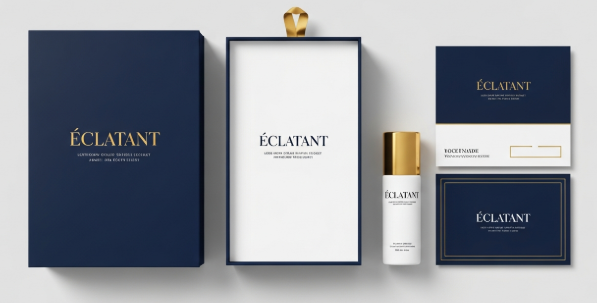
Image caption: Example of refined luxury brand design across visual touchpoints
Image description: A clean, minimal visual identity showcasing luxury brand design through typography, color palette, and packaging
Frequently Asked Questions
What makes luxury brand design different from regular branding?
Luxury brand design focuses on exclusivity, emotion, and long-term value rather than mass appeal.
Is luxury brand design only for expensive products?
No. Service brands and digital products can also apply luxury brand design principles.
How long does luxury brand design development take?
Typically, 6–12 weeks depending on research depth and brand scope.
Can startups use luxury brand design?
Yes, especially when targeting premium or niche markets.
Conclusion
Luxury brand design is a powerful business tool. When executed with strategy, experience, and discipline, it elevates perception and builds lasting trust. From typography to storytelling, every detail matters.
By applying the principles outlined in this guide, you can create luxury brand design that communicates authority, refinement, and genuine value.