Brand Communication Design: Building Consistent, Meaningful, and Competitive Brands

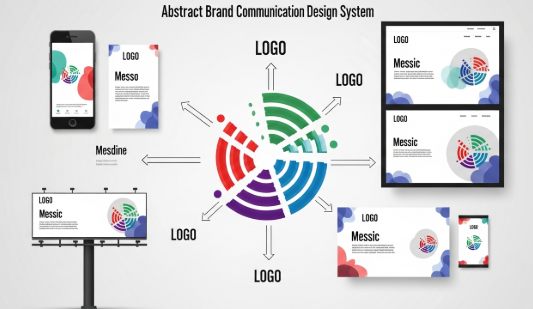
Brand communication design is the strategic discipline that aligns visual identity, messaging, and experience to express a brand’s values consistently across every touchpoint. In an era where audiences face thousands of messages each day, clarity and coherence are no longer optional. Therefore, organizations that invest in a structured communication system gain stronger recognition, trust, and long-term relevance.

Rather than focusing only on aesthetics, this approach connects strategy and execution. As a result, brands can communicate purpose, personality, and value in a way that feels intentional and memorable. This article explains the concept in depth, outlines its core elements, and provides practical guidance for building an effective system that supports sustainable growth.


Understanding the Role of Strategic Brand Communication

At its core, brand communication design translates brand strategy into tangible expressions. It defines how a brand looks, sounds, and behaves in every interaction. Consequently, audiences experience a unified message instead of fragmented impressions.

This discipline brings together several areas:

  • Visual identity and layout systems

  • Verbal identity and tone of voice

  • Marketing and promotional materials

  • Digital and physical brand experiences

When these components work together, communication becomes efficient and credible. However, when they operate in isolation, confusion quickly appears.

Unlike standalone graphic design, this strategic framework focuses on long-term consistency. Over time, that consistency builds recognition and emotional connection.


Why Consistent Brand Communication Drives Business Growth

Clear communication has a direct impact on performance. First, it builds trust. People feel more confident engaging with brands that appear organized and intentional. Second, it improves recall. Repetition of consistent signals strengthens memory.

Additionally, a strong system supports differentiation. Products and services may be similar, but communication style rarely is. Therefore, companies that articulate their identity clearly stand out more easily.

Key business benefits include:

  • Higher brand recognition

  • Stronger customer loyalty

  • More effective marketing campaigns

  • Faster internal decision-making

Research from the Nielsen Norman Group confirms that consistency across design systems improves user confidence and comprehension (https://www.nngroup.com/articles/consistency-design/). These principles apply directly to modern branding practices.


Core Elements of an Effective Brand Communication System

A successful system relies on structure, not guesswork. Each element should have a clear purpose and documented rules.

Visual Identity Foundations

Visual identity creates the first impression. It includes:

  • Logo and usage guidelines

  • Color palette and hierarchy

  • Typography system

  • Image and illustration style

Typography plays a particularly important role. Fonts influence tone, readability, and emotional perception instantly. For example, serif typefaces often communicate tradition and authority. In contrast, sans-serif fonts suggest clarity and modernity.

For brands seeking consistency, professionally designed type systems matter. Resources such as Zeenesia Studio offer fonts created specifically for scalable branding needs.
[Internal link: Insert link to related typography or branding article here]

Verbal Identity and Messaging

Visuals attract attention, but language builds understanding. Verbal identity defines how a brand speaks.

Key components include:

  • Tone of voice guidelines

  • Core messaging pillars

  • Value propositions and taglines

  • Writing style and terminology rules

For instance, a technology brand may adopt a clear and instructional tone. Meanwhile, a lifestyle brand may sound warm and expressive. Regardless of style, consistency remains critical.


Applying Brand Communication Design Across Channels

A communication system must function across platforms. Otherwise, inconsistency undermines credibility.

Digital Touchpoints

Websites, social media, and applications are often the primary brand interface. Therefore, design and messaging must align seamlessly.

Effective digital application includes:

  • Consistent layouts and UI components

  • Clear visual hierarchy

  • On-brand microcopy and calls to action

  • Responsive layouts that preserve identity

Content marketing also plays a role. Blog articles, newsletters, and landing pages should reflect the same voice and visual logic.

Physical and Environmental Touchpoints

Offline communication still shapes perception. Packaging, print materials, and environments extend the brand into the physical world.

Examples include:

  • Packaging aligned with digital aesthetics

  • Business stationery using the same type system

  • Event spaces that express the brand story

When online and offline expressions support each other, the brand experience feels seamless and trustworthy.


Common Mistakes That Weaken Brand Communication

Many organizations struggle not because of a lack of creativity, but because of inconsistency. Often, teams work without shared guidelines.

Frequent mistakes include:

  • Using too many fonts or color variations

  • Shifting tone of voice between platforms

  • Ignoring guidelines over time

  • Designing assets without strategic intent

Another common issue is trend dependency. While trends can inspire freshness, excessive reliance may erode identity. Therefore, a strong communication system should evolve carefully, not react impulsively.


Practical Steps to Build a Strong Communication Framework

Building an effective system does not require complexity. However, it does require clarity and discipline.

Follow these steps:

  1. Define your brand strategy
    Clarify purpose, values, audience, and positioning.

  2. Document clear guidelines
    Include visual rules, voice examples, and usage scenarios.

  3. Select scalable design assets
    Choose colors, typography, and layouts that work everywhere.

  4. Audit existing materials
    Identify inconsistencies and alignment gaps.

  5. Apply consistently and review regularly
    Update guidelines as the brand grows or shifts.

Through these steps, teams can align communication and design efficiently.


Measuring the Impact of Brand Communication Design

Design should support measurable outcomes. Therefore, evaluation matters.

Useful indicators include:

  • Brand awareness and recall studies

  • Engagement metrics on digital platforms

  • Conversion rate changes

  • Qualitative customer feedback

Internal benefits also appear. When teams share a clear system, collaboration improves and production becomes faster.


The Future of Strategic Brand Communication

Communication design continues to evolve alongside technology and culture. However, its foundation remains stable.

Current directions include:

  • Flexible and modular identity systems

  • Motion and interactive branding

  • Accessibility-focused design

  • Authentic and human-centered messaging

Despite new tools and platforms, clarity and consistency remain essential. Brands that communicate with intention will continue to earn attention and trust.


Conclusion: Turning Strategy into Meaningful Expression

Brand communication design connects strategy with real-world experience. It transforms abstract ideas into visible, understandable signals that audiences can recognize and trust. By aligning visuals, language, and behavior, organizations create clarity in a crowded landscape.

When applied consistently, this discipline strengthens recognition, supports growth, and builds long-term brand equity. Over time, that consistency becomes a competitive advantage.

Zeenesia Studio – Fonts that elevate your project.


FAQ: Brand Communication and Design

What is the main purpose of a brand communication system?
Its purpose is to ensure consistent expression of a brand’s identity across all touchpoints.

How does this differ from graphic design alone?
Graphic design focuses on visuals, while communication systems integrate visuals, messaging, and strategy.

Why is typography important for brand identity?
Typography shapes tone, readability, and emotional perception, influencing how messages are received.

Can small businesses apply these principles?
Yes. Consistency helps small brands appear professional and trustworthy.

How often should guidelines be reviewed?
They should be reviewed annually or whenever major strategic changes occur.


Brand Strategy and Design: A Complete Guide to Building a Strong, Consistent, and Profitable Brand

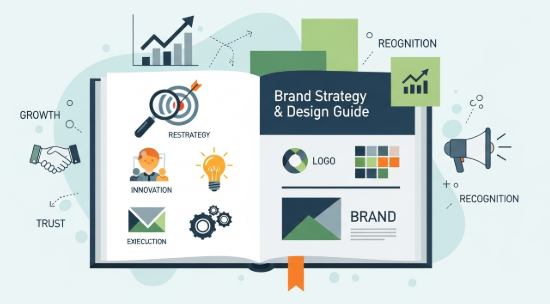
Brand strategy and design are no longer optional elements in modern business. In today’s competitive market, brand strategy and design define how a company is perceived, remembered, and trusted. From startups to global enterprises, brands that invest in a clear strategy and strong visual design consistently outperform those that do not.

Brand strategy and design work together to shape identity, communicate values, and influence customer decisions. When executed correctly, they create clarity, consistency, and long-term equity. Therefore, understanding how these two disciplines connect is essential for sustainable growth.

This article explains brand strategy and design in depth, using practical examples and actionable steps. It also shows how businesses can align messaging, visuals, and customer experience to build a brand that lasts.


Understanding Brand Strategy and Design

Brand strategy and design refer to the intentional planning and visual execution of a brand’s identity. Strategy defines direction, while design brings that direction to life.

Brand strategy focuses on purpose, positioning, audience, and differentiation. It answers critical questions such as who you are, who you serve, and why you matter. Design, on the other hand, translates those answers into visual and verbal elements.

Together, they form a unified system that guides every brand interaction. Without strategy, design lacks meaning. Without design, strategy lacks visibility.


Why Brand Strategy and Design Matter for Business Growth

Strong brand strategy and design directly impact business performance. They influence trust, recognition, and loyalty.

First, a clear brand strategy helps customers understand what to expect. This clarity reduces confusion and builds confidence. As a result, customers are more likely to choose your brand over competitors.

Second, consistent design reinforces memory. Colors, typography, and layouts create visual cues that help people recognize your brand instantly. Over time, recognition turns into preference.

Additionally, brand strategy and design improve marketing efficiency. When guidelines are clear, teams work faster and campaigns stay consistent. This alignment saves time and reduces costly revisions.


Core Elements of Brand Strategy

A strong brand strategy is built on several foundational elements. Each element must align with business goals and audience needs.

Purpose and Vision
Purpose defines why your brand exists beyond profit. Vision describes where the brand is heading. Together, they provide long-term direction.

Target Audience
Understanding your audience is critical. Define demographics, behaviors, motivations, and pain points. Therefore, messaging and design can speak directly to real needs.

Brand Positioning
Positioning explains how your brand is different. It highlights unique value and competitive advantage. This clarity helps customers choose you.

Brand Voice and Personality
Voice determines how your brand sounds. Personality defines how it feels. Consistency in tone builds familiarity and trust.


Key Components of Brand Design

Brand design transforms strategy into tangible assets. These elements should work together seamlessly.

Logo Design
A logo is often the first visual interaction. It should be simple, distinctive, and scalable.

Color Palette
Colors evoke emotion and meaning. Choose a limited palette that reflects brand personality and supports readability.

Typography
Fonts influence perception. Clean, readable typography enhances credibility and usability. Premium brands often invest in custom or professional fonts.

Visual System
This includes layouts, imagery style, icons, and patterns. A system ensures consistency across platforms.

For design inspiration and standards, you can reference authoritative resources such as https://www.interbrand.com.


Aligning Brand Strategy and Design Effectively

Alignment is where brand strategy and design create real value. When visuals reflect strategy, communication becomes clear and persuasive.

Start by documenting strategy in a brand framework. Then translate each strategic point into design decisions. For example, a bold positioning may require strong typography and high-contrast colors.

Additionally, create brand guidelines. These documents ensure consistency across teams and channels. They also make onboarding easier for designers and marketers.

If you are building related content, consider linking internally to a guide such as:
[Insert link to related article here]


Brand Strategy and Design in Digital Experiences

Digital platforms amplify the importance of brand strategy and design. Websites, apps, and social media require consistency and clarity.

User experience should reflect brand values. A luxury brand needs refined interactions, while a tech startup may prioritize speed and simplicity. Therefore, design choices must support strategic intent.

Content presentation also matters. Headlines, spacing, and visuals affect readability and engagement. When design supports content, users stay longer and convert more often.


Common Mistakes to Avoid

Many businesses struggle with brand strategy and design due to common errors.

One frequent mistake is starting with design without strategy. This approach often leads to inconsistent visuals and unclear messaging.

Another issue is frequent rebranding without reason. Constant changes confuse audiences and weaken recognition.

Additionally, ignoring scalability can limit growth. A brand should work across print, digital, and future platforms.


Measuring the Impact of Brand Strategy and Design

Measuring brand success requires both qualitative and quantitative indicators.

Track metrics such as brand awareness, engagement, and conversion rates. Surveys and feedback provide insights into perception and trust.

Consistency audits also help. Review touchpoints regularly to ensure alignment with guidelines.

Over time, strong brand strategy and design reduce marketing costs and increase lifetime value.


Practical Steps to Build a Strong Brand

To implement brand strategy and design effectively, follow these steps:

  • Conduct market and audience research

  • Define purpose, positioning, and personality

  • Create a clear brand framework

  • Develop a cohesive visual identity

  • Document guidelines and systems

  • Apply consistently across all channels

Each step builds on the previous one. Therefore, avoid shortcuts.


Conclusion: Investing in Brand Strategy and Design

Brand strategy and design are long-term investments that shape perception and performance. When aligned, they create clarity, consistency, and competitive advantage.

Businesses that commit to strategy-first design build stronger connections with their audience. Over time, these connections translate into trust, loyalty, and growth.

In a crowded market, brand strategy and design are not just about looking good. They are about being understood, remembered, and chosen.

Zeenesia Studio – Fonts that elevate your project.


FAQ: Brand Strategy and Design

What is the difference between brand strategy and brand design?
Brand strategy defines direction and purpose. Brand design visually expresses that strategy.

How long does brand strategy and design take?
Timelines vary, but a complete process often takes several weeks to months.

Can small businesses benefit from brand strategy and design?
Yes. Clear branding helps small businesses compete and build trust faster.

How often should a brand be updated?
Minor updates can happen regularly. Major rebrands should be strategic and infrequent.

Brand Positioning Design: A Strategic Guide to Building a Distinct and Memorable Brand

Brand positioning design is the foundation of how a brand is perceived, remembered, and chosen. In a crowded market, products and services often look similar. Therefore, a strong positioning strategy, supported by effective design, becomes a decisive competitive advantage.

Brand positioning design combines strategy, visual identity, messaging, and user perception into one coherent system. It ensures that every visual and verbal element communicates a clear promise. Moreover, it helps customers instantly understand why a brand exists and why it matters.

This article provides a comprehensive, practical, and readable guide to brand positioning design. You will learn the core principles, proven processes, common mistakes, and actionable examples. Additionally, you will discover how design decisions directly influence brand perception and long-term growth.


Understanding Brand Positioning Design

Brand positioning design refers to the deliberate use of design elements to reinforce a brand’s strategic position in the market. It translates abstract brand strategy into tangible visual and experiential cues.

Positioning answers a simple question: Why should customers choose you instead of others? Design then communicates that answer consistently.

Key elements of brand positioning design include:

  • Visual identity systems

  • Typography and color psychology

  • Logo and symbol meaning

  • Layout and hierarchy

  • Brand voice alignment

However, design alone is not enough. It must be guided by research, insight, and clarity.


Why Brand Positioning Design Matters

Strong brand positioning design creates immediate recognition. It also builds trust and emotional connection over time. Without clear positioning, design becomes decorative rather than strategic.

Well-positioned brands benefit from:

  • Faster customer recognition

  • Stronger emotional recall

  • Higher perceived value

  • Consistent brand experiences

  • Clear differentiation

For example, Apple positions itself around simplicity, innovation, and premium quality. Every design choice supports that position, from typography to packaging.

As a result, customers associate Apple with clarity and confidence, even before using the product.


The Strategic Foundation Behind Effective Positioning

Before designing anything, strategy must come first. Brand positioning design works best when it rests on a clear strategic framework.

Start by defining these core components:

  • Target audience and their motivations

  • Market category and competitors

  • Unique value proposition

  • Brand personality and tone

  • Emotional benefit offered

Once these elements are clear, design becomes purposeful. Otherwise, visuals may look attractive but fail to communicate meaning.

According to research published by Harvard Business Review, brands with consistent positioning outperform competitors in both trust and long-term growth. You can explore more insights here:
https://hbr.org/2019/01/why-brand-consistency-is-critical-to-growth


Key Visual Elements in Brand Positioning Design

Every visual decision influences perception. Therefore, each element should reinforce the intended position.

Color Strategy and Emotional Impact

Colors trigger emotional responses. Therefore, color selection should align with brand personality.

Common associations include:

  • Blue: trust, stability, professionalism

  • Red: energy, urgency, passion

  • Green: growth, health, sustainability

  • Black: luxury, authority, elegance

However, context matters. For instance, a fintech brand may use blue to signal trust, while a luxury brand may prefer black to express exclusivity.


Typography as a Positioning Tool

Typography plays a subtle yet powerful role in brand positioning design. Serif fonts often communicate tradition and credibility. Sans-serif fonts suggest modernity and clarity. Display fonts add character and emotion.

When typography aligns with strategy, it strengthens recognition. When it does not, it creates confusion.

For example:

  • Financial brands favor clean, readable typefaces

  • Creative studios often use expressive display fonts

  • Technology brands prioritize legibility and precision

If you want to explore professional typography choices, consider reviewing reputable resources such as Google Fonts:
https://fonts.google.com


Logo Design and Symbolism

A logo acts as the visual anchor of brand positioning design. It should express the brand’s essence in a simple and memorable way.

Effective logos share these traits:

  • Scalable across platforms

  • Clear at small sizes

  • Meaningful symbolism

  • Consistent usage rules

However, a logo alone does not create positioning. It must work within a broader design system.


Aligning Brand Voice With Visual Positioning

Design does not operate in isolation. Brand voice and messaging must align with visual choices. When words and visuals support each other, positioning becomes stronger.

For example, a bold visual style paired with formal language creates inconsistency. Instead, tone and design should reinforce the same emotional message.

Key alignment tips include:

  • Match typography with tone of voice

  • Use consistent messaging hierarchy

  • Apply the same personality across channels

Additionally, microcopy, headlines, and call-to-action buttons should reflect the same positioning logic.


Brand Positioning Design Across Touchpoints

Consistency across touchpoints builds trust. Every interaction shapes perception, whether online or offline.

Important touchpoints include:

  • Website and landing pages

  • Social media visuals

  • Packaging and labels

  • Marketing materials

  • User interfaces

Therefore, brand positioning design should be documented in a clear brand guideline. This ensures consistency across teams and platforms.

If you already have related content, add an internal reference such as:
[Internal link: Complete Brand Identity System Guide]


Common Mistakes in Brand Positioning Design

Many brands struggle not because of poor design skills, but because of unclear positioning.

Common mistakes include:

  • Designing before defining strategy

  • Copying competitor visuals

  • Using too many fonts or colors

  • Inconsistent application across channels

  • Ignoring audience perception

Additionally, trends should be used carefully. While trends can refresh a brand, they should never replace strategic clarity.


A Practical Brand Positioning Design Process

To create effective brand positioning design, follow a structured process.

  1. Conduct market and audience research

  2. Define positioning statement clearly

  3. Translate strategy into visual direction

  4. Design core identity elements

  5. Build a flexible design system

  6. Test perception and refine

Each step builds on the previous one. Therefore, skipping steps often leads to weak results.


Measuring the Success of Brand Positioning Design

Design success should be measurable. While aesthetics matter, performance indicators provide real validation.

Useful metrics include:

  • Brand recall and recognition

  • Engagement rates

  • Conversion improvements

  • Customer feedback consistency

  • Brand sentiment analysis

Over time, strong positioning design reduces marketing friction and increases loyalty.


The Long-Term Value of Strategic Brand Positioning Design

Brand positioning design is not a one-time project. It evolves with the brand while maintaining a consistent core.

Strong brands revisit their positioning periodically. However, they avoid drastic changes unless strategy shifts. Consistency, combined with thoughtful evolution, creates lasting equity.

In competitive markets, positioning clarity often matters more than budget size. Therefore, investing in strategic design delivers compounding returns.


Frequently Asked Questions About Brand Positioning Design

What is the difference between brand positioning and brand positioning design?
Brand positioning defines strategic perception. Brand positioning design visually and experientially communicates that strategy.

Can small businesses benefit from brand positioning design?
Yes. Clear positioning helps small brands stand out and compete more effectively.

How long does it take to develop brand positioning design?
The timeline varies. However, strategy and research typically require more time than visual execution.

Should brand positioning design follow trends?
Trends can support positioning, but strategy should always lead.


Conclusion

Brand positioning design is the bridge between strategy and perception. When done correctly, it communicates clarity, builds trust, and differentiates a brand in meaningful ways.

By aligning research, strategy, visuals, and messaging, brands can create consistent experiences that resonate deeply with their audience. Therefore, investing in thoughtful positioning design is not optional. It is essential for sustainable growth.

Zeenesia Studio – Fonts that elevate your project.

How to Price Your Design Work Fairly as a Freelancer

Introduction
Pricing your design work can be one of the hardest parts of freelancing.
You don’t want to charge too little and feel undervalued — but you also don’t want to scare clients away.

Finding that “fair price” is not about guessing; it’s about understanding your value, your market, and your goals.

In this guide, we’ll walk through how to price your design services confidently and fairly — without underselling yourself.


1. Know Your Worth
Your design skills are not just about how long you’ve worked — they’re about the value you bring.
Clients don’t just pay for hours; they pay for impact.

Ask yourself:

  • How experienced am I in solving design problems?

  • How much business value does my work create for clients?

  • How unique is my style or approach?

💡 Tip: Keep track of the results your designs bring (like higher sales or engagement). Those become proof of your worth.


2. Understand Different Pricing Models
There’s no single “right” way to charge for design work.
Here are three common pricing models to consider:

Hourly Rate:
You charge based on the number of hours worked.
Good for short-term projects, but not always ideal if your speed improves over time.

Fixed Project Rate:
You set one price for the entire project.
Best for experienced freelancers who know how long tasks take.

Value-Based Pricing:
You price based on the value your design delivers.
For example, if your logo design helps a business make $10,000 more in sales, charging $1,000–$2,000 is fair.


3. Research Market Rates
Do some research before sending a quote.
Sites like Upwork, Dribbble, and Glassdoor show what designers with similar experience charge.

💡 Pro tip: Don’t copy others’ rates blindly. Adjust based on:

  • Your experience level

  • Client’s budget range

  • Project complexity

  • Your country or region

This helps you stay competitive while still being fair to yourself.


4. Don’t Be Afraid to Say Your Price
Confidence matters.
If you hesitate when saying your price, clients might doubt your value.

Try this simple script:

“For a project like this, my rate is $___, which includes [briefly mention deliverables].”

Then pause — and let them respond.

Remember: Professional clients respect clarity, not discounts.


5. Offer Pricing Packages
Instead of giving just one rate, create three packages:

  • Basic (for small budgets)

  • Standard (your ideal offer)

  • Premium (for clients who want full service)

This gives clients choice while positioning your “standard” package as the best value.


6. Review Your Rates Regularly
Your skills grow — your prices should too.
Review your pricing every 6–12 months.

If your work is faster, higher quality, or in demand, it’s time to raise your rates.

💬 Remember: Clients pay for value, not time.


Conclusion
Pricing design work fairly is about balance — respecting both your client and your craft.
Be transparent, stay confident, and remember: you’re not just selling design, you’re selling results.

As you gain experience, you’ll find that clients who value quality will never question fair pricing.