Personal Branding for a Freelance Graphic Designer: A Complete Guide to Standing Out in a Competitive Market

Personal branding for a freelance graphic designer has become more important than ever. The creative industry is growing rapidly, and many designers now compete for the same clients. Although talent matters, it is not always enough to secure long-term success. Clients need to remember who you are, understand what you do, and trust your abilities. Therefore, building a strong and clear personal brand helps you rise above the crowd, attract better projects, and position yourself as a professional worth hiring. In this guide, you will learn how to create, improve, and maintain powerful personal branding for a freelance graphic designer in today’s digital landscape.


What Is Personal Branding for a Freelance Graphic Designer?

Personal branding for a freelance graphic designer refers to how you present your skills, personality, and creative identity to potential clients. It is the combination of your visual style, tone of communication, reputation, and the experience you provide through your services. When your brand is strong, people associate your name with quality and reliability.

A clear personal brand also helps clients understand your unique strengths. Some designers focus on minimalist branding, while others specialize in playful illustrations, bold typography, or commercial advertising. Because of this, personal branding makes it easier for clients to pick you with confidence.


Why Personal Branding for a Freelance Graphic Designer Is Crucial

There are thousands of designers online, and most offer similar services. However, your personal brand highlights what makes you special. Additionally, it increases trust, which is a major factor in a client’s decision-making process.

Here are some reasons why personal branding for a freelance graphic designer matters:

  • It defines your niche and expertise.

  • It communicates your value clearly.

  • It helps you maintain consistent pricing.

  • It builds long-term client relationships.

  • It increases referrals and repeat business.

Moreover, strong personal branding provides clarity for your own career direction. You become more focused on the type of clients you want and the style of work you enjoy creating.


Crafting Your Identity: The Foundation of Personal Branding

Before you publish anything online, you first need to understand who you are as a designer. This foundation supports every marketing decision you make.

1. Define Your Core Message

Your core message is the main idea you want clients to associate with your name. For example:

  • “A minimalist designer who creates clean and modern brand identities.”

  • “A creative illustrator who brings playful characters to life.”

  • “A graphic designer who helps small businesses grow through powerful visual communication.”

When your message is clear, your branding becomes easier to maintain.

2. Understand Your Audience

Personal branding for a freelance graphic designer must be shaped around the people you want to serve. As a result, you should learn their needs and expectations.

Ask yourself:

  • Who are my ideal clients?

  • What problems do they face?

  • What design solutions do they need?

Additionally, your communication and portfolio style should appeal to this audience.


Creating a Visual Identity That Represents Your Brand

Visual identity plays a huge role in personal branding for a freelance graphic designer. Clients will judge your professionalism based on your appearance, even before they see your portfolio.

Elements to Include:

  • Your logo or personal monogram

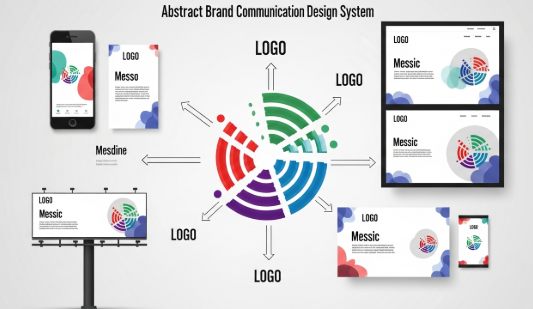
  • A consistent color palette

  • A signature typography style

  • Branded templates for social media

  • A clean and professional website layout

Although designers often experiment with many styles, your visual identity should remain consistent to avoid confusion.


Building a Strong Online Presence

Once your identity is clear, the next step is to show it to the world. A professional online presence increases your visibility and credibility.

1. Create a Portfolio Website

Your website is the core of personal branding for a freelance graphic designer. It acts as your digital home, where clients can explore your work and hire you with confidence.

Include the following:

  • A concise biography

  • A curated portfolio

  • Testimonials from past clients

  • A contact form

  • A blog to demonstrate knowledge

Additionally, keep your website simple and easy to navigate.

2. Optimize Your Social Media Profiles

Platforms like Instagram, Behance, and Dribbble can boost your visibility. However, consistency is key. Use the same tone, style, and branding across all channels. Moreover, post regularly to keep your audience engaged.


Showcase Your Expertise Through Content

Content marketing is a powerful method for strengthening personal branding for a freelance graphic designer. When you share helpful and educational information, it positions you as an expert.

Types of Content You Can Create:

  • Design tutorials

  • Behind-the-scenes process videos

  • Case studies

  • Tips for small business branding

  • Personal stories about your creative journey

Furthermore, writing articles on your blog can attract more clients through search engines.


Networking: The Human Side of Personal Branding

Building a personal brand is not only about visuals and content. It also includes relationships. Many freelance graphic designers gain new clients simply through conversations and connections.

Ways to Network Effectively:

  • Join online communities

  • Attend design events or webinars

  • Connect with business owners

  • Collaborate with other creatives

  • Offer helpful advice without expecting anything in return

Therefore, keep your interactions positive and professional because every conversation leaves an impression.


Pricing Strategy as Part of Your Brand

Your prices communicate value. If your rates are too low, clients might assume your skills are basic. Conversely, charging premium prices signals expertise. Personal branding for a freelance graphic designer should include a transparent pricing strategy.

Consider offering:

  • A clear breakdown of services

  • Multiple package options

  • Add-ons such as branding guidelines or social media templates

Clients appreciate clarity, and it helps justify your rates.


Maintaining Your Personal Brand Over Time

A personal brand is not something you build once and forget. It requires continuous attention and updates. Review your brand at least once every few months.

Ask yourself:

  • Does my portfolio still represent my best work?

  • Are my visuals still consistent?

  • Has my niche changed?

  • Do I need to refine my message?

Additionally, remove old projects that no longer match your current style.


Tools to Strengthen Personal Branding for a Freelance Graphic Designer

There are many online tools that can support your branding efforts. For example, Canva, Adobe Express, and Figma help create consistent visuals. Additionally, platforms like LinkedIn can improve your professional network. For inspiration, you can explore resources like Adobe Creative Cloud or industry articles from Smashing Magazine.

(Authoritative outbound link example: Smashing Magazine)


Conclusion

Building strong personal branding for a freelance graphic designer is essential for long-term success. It helps you attract ideal clients, increase your value, and grow your creative career with confidence. The process includes defining your identity, crafting visual elements, establishing an online presence, creating valuable content, networking, and maintaining consistency. Although it requires effort, the rewards are worth it. With a well-defined personal brand, you stand out from competitors and build a sustainable freelance business.


FAQ: Personal Branding for Freelance Designers

1. How long does it take to build a personal brand?

It usually takes a few months of consistent effort. However, the more regularly you update your portfolio and content, the faster the results.

2. Do I need a logo for my personal brand?

A logo is helpful, but it is not mandatory. Consistency in style matters more.

3. Should I focus on one niche?

Specializing helps you become memorable. However, you can still accept projects outside your niche while maintaining your brand direction.

4. How can I attract more clients with my brand?

Share high-value content, join communities, showcase your best work, and maintain consistent visuals.

5. What platforms work best for designers?

Instagram, Behance, Dribbble, and LinkedIn are the most effective for building presence.


Zeenesia Studio – Fonts that elevate your project.

How to Find Logo Inspiration: A Complete Guide for Designers

Finding inspiration for a logo is often one of the biggest creative challenges for graphic designers. A logo is more than just a visual mark—it represents identity, personality, and the voice of a brand. That’s why the process of discovering ideas must be strategic, well-researched, and creatively guided.

This article provides a complete, professional guide on how to find logo inspiration, including research methods, idea-generation techniques, visual exploration platforms, and tips to ensure originality.


1. Start by Understanding the Brand Deeply

The best inspiration starts with knowledge.

Before exploring visuals, analyze the brand’s core elements:

Brand Values

What key values should the logo communicate? (e.g., trustworthy, modern, premium, friendly)

Target Audience

Who will interact with the brand? Young adults, professionals, families, or niche users?

Brand Personality

Is the brand playful, luxury-oriented, minimalist, futuristic, or bold?

When you fully understand the brand’s DNA, ideas begin to form naturally and with direction.


2. Research Competitors Strategically

Looking at competitor logos is NOT about copying — it’s about:

  • Avoiding similarities

  • Identifying opportunities for differentiation

  • Understanding visual trends within the industry

Pay attention to patterns such as shapes, colors, icon styles, typography, and recurring themes.


3. Explore Professional Design Inspiration Platforms

Today, thousands of logo references are available online. These platforms offer high-quality visual inspiration:

Dribbble

Great for discovering modern logo trends and concept explorations.

Behance

Ideal for viewing full case studies and creative processes.

Pinterest

Perfect for collecting visual inspiration and creating thematic moodboards.

LogoLounge

A premium library of logo trends from professional designers worldwide.

Google Images

Searching keywords like “minimalist logo,” “monogram logo,” or “geometric logo” provides instant visual direction.


4. Build a Focused Moodboard

A moodboard helps organize visual direction before sketching.

Include:

  • Color palettes

  • Basic shapes

  • Icon ideas

  • Typography styles

  • Logos with similar vibes

  • Visual textures or themes

You can create moodboards using Figma, Milanote, Notion, or Pinterest Boards.


5. Use Mind Mapping to Generate Ideas

Mind mapping is an effective technique to transform brand keywords into visual concepts.

Example client: Coffee brand
Mind map ideas:
coffee beans → aroma → warmth → sunlight → energy → cup → steam

Each keyword can evolve into a symbol or shape for a potential logo.


6. Explore Basic Shapes and Symbolism

Logos are built from foundational geometric elements.

  • Circles: unity, friendliness, community

  • Squares/rectangles: stability, professionalism

  • Triangles: innovation, progress, movement

  • Organic shapes: creativity, authenticity

Try combining these shapes with brand messages to create unique symbols.


7. Sketch Freely Without Overthinking

Avoid going digital too early.

Start with:

  • 20–30 rough sketches

  • Fast variations of shapes

  • Different interpretations of the symbol

  • Playing with negative space

Freehand sketching helps ideas flow naturally and avoids the limitations of software tools.


8. Look at Trends — But Don’t Follow Them Blindly

Trends can inspire, but should not dictate your design.

Popular trends include:

  • Minimalist line logos

  • Geometric logos

  • Gradients and vibrant tones

  • Retro & vintage style

  • Monogram and letterform logos

Use trends as inspiration, not as templates.


9. Use AI as a Supportive Tool (Not a Replacement)

AI image generators like Midjourney, Ideogram, and Adobe Firefly can help brainstorm initial ideas.

Use AI for:

  • Shape exploration

  • Symbol direction

  • Alternative visual concepts

Then transform the concepts into your own original design.


10. Refine, Simplify, and Polish the Design

A strong logo must be:

  • Simple

  • Memorable

  • Scalable

  • Versatile

  • Relevant

Test your design in different sizes, backgrounds, and applications (digital, print, merchandise).


Conclusion

Finding logo inspiration is a balance of research, creativity, and brand understanding. With the right process—starting from brand analysis, exploring reference platforms, mind mapping, sketching, and refining—you can consistently create logos that are unique, meaningful, and professional.

🌟 Why Year-End Rebranding Helps Businesses Start the New Year Strong

As the final months of the year approach, many businesses enter a period of reflection—evaluating their performance, assessing their marketing strategy, and preparing their vision for the upcoming year. One of the most impactful steps a company can take before launching new annual goals is a year-end rebranding initiative.

Year-end rebranding has become a strategic trend across industries because it aligns perfectly with the natural rhythm of business planning. From logo updates and color palette enhancements to complete visual identity transformations, rebranding at the end of the year helps companies refresh their image and position themselves with confidence in the new year.

In this guide, we explore why year-end rebranding is so effective, which elements businesses typically update, and how designers can maximize opportunities during this high-demand season.


🔥 1. A Fresh Identity for a Fresh Start

The New Year symbolizes renewal, growth, and transformation.
This makes it the ideal moment for companies to introduce a fresh identity that reflects:

  • updated business values

  • new product lines

  • expanded target audiences

  • improved branding direction

  • modern visual communication

Rebranding at year-end creates a strong psychological impact: audiences naturally expect change in January, and businesses can leverage this momentum to capture attention.


🎯 2. Aligning Branding With New Business Goals

Most companies finalize strategic planning in Q4. When launching new initiatives or repositioning the brand, outdated visuals often hold them back.

Year-end rebranding helps align the visual identity with:

  • new marketing campaigns

  • updated messaging

  • upcoming product launches

  • improved customer experience

  • digital transformation strategies

A refreshed brand identity ensures consistency across all channels as the company steps into the new year.


📈 3. Enhanced Visibility During Peak Seasonal Engagement

The holiday season is one of the busiest periods for:

  • online shopping

  • social media usage

  • brand interactions

  • promotional campaigns

Introducing a rebrand during this time increases visibility dramatically.
Customers notice new profile photos, updated logos, or fresh designs more easily because they are already active online.

A year-end rebrand helps businesses:

  • stand out from competitors

  • strengthen their holiday promotions

  • create a memorable season-end campaign

  • boost customer interest and engagement


4. Opportunity to Refresh Outdated Visual Elements

Design trends evolve quickly. A logo that looked modern five years ago may appear outdated today.

Common elements businesses update during year-end rebranding include:

✔ Logo redesign or refinement

Cleaner, simpler, and more modern versions.

✔ Color palette upgrade

Trendy, bolder, or more meaningful color harmonies.

✔ Typography improvement

Better readability, personality, and brand alignment.

✔ Social media template overhaul

Consistent, high-quality designs for 2026 campaigns.

✔ Packaging and print material updates

Seasonal editions or permanent redesigns.

A refreshed identity increases brand credibility and competitiveness.


💼 5. Better Internal Motivation and Team Alignment

Rebranding isn’t only for customers—it also impacts internal culture.

End-of-year rebranding helps companies:

  • motivate employees for new goals

  • strengthen brand loyalty

  • unify teams under a renewed identity

  • stimulate creativity and productivity

Launching a new identity in January cultivates excitement and gives the team a strong sense of direction.


🛠 6. Optimal Timing for Technical and Digital Updates

Rebranding often requires updates to:

  • websites

  • social media profiles

  • packaging

  • marketing materials

  • sales assets

  • digital branding systems

Year-end is an ideal moment because many companies experience reduced workloads between Christmas and New Year. This allows designers and developers to implement changes seamlessly without disrupting operations.


💡 7. Perfect Marketing Narrative: “New Year, New Brand”

Storytelling is a powerful marketing tool.
A year-end rebrand naturally boosts content quality because it fits a theme people love:

  • “We’re entering 2026 with a new identity.”

  • “A fresh brand look for a new chapter.”

  • “New Year, new vision, new brand.”

This message resonates strongly with audiences and leads to higher engagement across social media, emails, and ads.


🚀 Conclusion: Rebranding at Year-End Sets the Stage for a Stronger Future

Year-end rebranding is more than a cosmetic upgrade—it’s a strategic decision that prepares a business for long-term success. As companies enter a new year with new goals and fresh opportunities, a modern, polished, and well-aligned brand identity empowers them to grow confidently.

For designers, this season represents a high-value opportunity to offer rebranding packages that deliver measurable impact.
For businesses, it is the perfect time to transform their brand and start the year stronger than ever.

Why Design Pricing Is Broken — And What You Should Charge Instead

🔥 The Design Industry Has a Pricing Problem

Design is more valuable than it has ever been.
Branding, UX, visual identity, and content shape:

🛍 buying decisions
📈 revenue growth
💼 credibility
📣 communication
❤️ customer loyalty

Yet most designers are still charging like design is a luxury instead of a business asset.

That disconnect is why:

  • Designers burn out

  • Clients undervalue creative work

  • Talented professionals stay underpaid

  • Designers feel guilty for raising their rates

But here’s the truth:

The problem isn’t the clients.
The problem is how designers are pricing and positioning themselves.

And fixing that changes everything.


❌ Part 1: The 3 Pricing Models That Are Ruining Your Career

1. Hourly Pricing

“Well I think it’ll take me 12 hours…”

No high-value client ever bought design because of hours.
They buy the result. The transformation. The clarity.

Hourly pricing:
❌ punishes efficiency
❌ creates distrust
❌ attracts micromanaging clients
❌ caps your income
❌ reduces creative work to labor

If a logo makes a company $1M, should it cost $300 because you were fast?


2. Deliverable-Based Pricing

“Logo — $350
Website — $1,200”

This turns your expertise into a commodity.

What happens then?
Clients compare designers like they’re comparing products on Amazon.

You become interchangeable.
Interchangeable designers either:
➡ race to the bottom
➡ take on too many projects
➡ get burned out
➡ eventually quit


3. Copying Other Designers’ Prices

You checked someone’s pricing on IG or in a Facebook group…

But you don’t know whether:

  • They’re profitable

  • They’re in debt

  • They’re undercharging

  • Their work even converts

  • They actually close clients at those rates

Designers making $15K per brand identity aren’t asking for “feedback on pricing.”
They’ve built systems, positioning, and offers that support those numbers.


💡 Part 2: The Real Reason Designers Undervalue Themselves

It’s not lack of skill.
It’s a lack of framing.

Designers are taught:
🖌 how to design
✍️ how to execute
📐 how to polish visuals

…but almost no one is taught:
💼 how to position themselves
💸 how to price based on value
🧭 how to lead a strategic project
📊 how to talk in business language
🔥 how to present work with confidence
💬 how to sell outcomes instead of art

Business education is the missing skill set for most creatives.


🚀 Part 3: What You Should Charge Instead

✔ Switch from Pricing Tasks → Pricing Transformations

Clients don’t want:

  • A logo

  • A website

  • A brochure

  • A template

They want:
✔ clarity
✔ revenue
✔ credibility
✔ trust
✔ differentiation
✔ conversions

Once you price based on business outcomes, everything changes.


🔥 3 Pricing Models That Work in 2025 & Beyond

1. Value-Based Pricing

Price based on expected ROI — not your time.

Logo for startup raising money? That’s not a $500 project.
Brand identity for e-commerce brand doing $200K/mo? Not a $1K logo.

Pricing example:
Instead of charging $1,200 for a website, charge $15,000 because it increases conversion and revenue.


2. Project-Based Flat Fees

You’re paid for expertise, not hours.
You define scope, guide the process, and deliver outcomes.

Example:
Brand Audit + Strategy — $2,500
Brand Identity System — $8,000
Website Design — $10,000+

This allows you to earn more while working LESS.


3. Productized Offers

A defined package with a fixed scope and price.

Examples:
✨ “Brand Strategy Sprint — $3,800”
✨ “1-Week Visual Identity Intensive — $4,500”
✨ “Website Wireframe + UX Blueprint — $1,950”

Clients LOVE clarity.
And you stop customizing proposals forever.


🧠 Part 4: What Clients Actually Pay More For

Designers think clients pay for deliverables.
No — clients pay for certainty.

They will pay more when you provide:
✔ a clear methodology
✔ market insight
✔ unique perspective
✔ strategy
✔ leadership
✔ consultation
✔ business alignment

Design alone is just decoration.
Design + strategic thinking = high value.


📊 Part 5: Real Pricing Ranges Used by Successful Designers

Low-end:
$300–$1,000 per brand

Mid-tier (still mostly execution):
$1,500–$4,000

Strategic designer:
$5,000–$15,000 per brand identity
$8,000–$30,000 with full brand strategy

Studio-level:
$30,000–$150,000
and retainers or recurring contracts on top

If you’ve never seen clients pay these numbers — it’s because you haven’t positioned yourself to reach the clients who do.


🎯 Part 6: How to Start Charging More (Step-by-Step)

Step 1: Stop selling “logo design”

Sell brand transformation.

Step 2: Turn your process into a framework

Example: The 3-Part Brand Messaging Matrix™
Framework = proprietary = valuable

Step 3: Show business outcomes in case studies

Not “I designed a logo”
but “sales doubled after launch.”

Step 4: Speak the language of CEOs, not designers

Instead of:

We’ll refine your typography

Say:

We’ll create a identity system that communicates authority at every touchpoint

They don’t care what font you pick.
They care what the font does.


🏁 Final Thought

Design pricing isn’t broken because clients don’t value design.

It’s broken because most designers:

  • charge like laborers

  • sell like vendors

  • present like artists

  • negotiate like amateurs

  • don’t understand their business value

But the designers who shift to value, strategy, and positioning never have to compete on price again.

You don’t need to wait for better clients.
You need to become the designer who attracts better clients.

How to Build a Consistent Brand Identity as a Freelance Designer

As a freelance designer, your brand is more than just a logo or color palette — it’s the personality, voice, and trust you build with your audience.
A consistent brand identity not only helps you stand out in a crowded market but also attracts clients who connect with your creative style.

Let’s dive into how you can build a professional, consistent brand identity that reflects who you are and the kind of work you want to do.


1. Define Your Brand Personality

Before you start designing your logo or website, define what your brand feels like.
Are you minimal and modern? Bold and playful? Elegant and refined?

Your brand personality should reflect your design approach, tone of voice, and even the type of clients you want to attract.

💡 Pro tip: Create a list of adjectives that describe your brand — like “clean,” “strategic,” or “innovative.” Use these words to guide every creative decision.


2. Create a Strong Visual Identity

Your visual identity is how people see your brand — and it should be cohesive across every platform.

Key elements include:

  • Logo: Simple, memorable, and versatile.

  • Color palette: 3–5 consistent colors that represent your vibe.

  • Typography: Use 1–2 font families and stick with them.

  • Imagery style: Keep your photos, illustrations, and textures consistent.

Consistency builds recognition. When someone sees your portfolio or social post, they should immediately know it’s you.


3. Develop a Clear Brand Voice

Your brand voice is how you sound — in captions, emails, proposals, and your website copy.

If your design style is clean and minimal, keep your tone professional and straightforward.
If your work is bold and fun, use a more casual and expressive tone.

💬 Tip: Write as if you’re talking directly to your ideal client. Authentic communication builds trust faster than generic professionalism.


4. Stay Consistent Across All Touchpoints

From your website to your Behance portfolio to your Instagram feed, everything should look and feel unified.
That means using:

  • The same profile picture or logo

  • Consistent colors and typefaces

  • Similar layouts and visual tone

Even small inconsistencies can confuse potential clients — consistency creates a sense of professionalism and reliability.


5. Show Your Process, Not Just the Final Design

Clients don’t just buy logos — they buy your creative process.
Use case studies, stories, or social posts to show how you think, not just what you make.

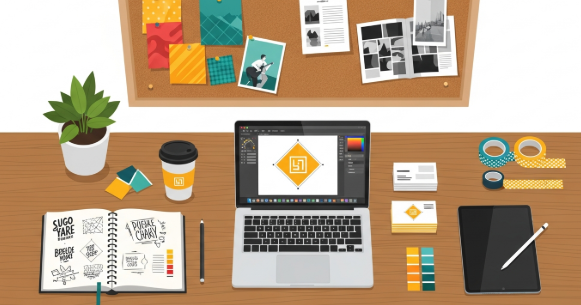
Share your design workflow, sketches, moodboards, and iterations.
This transparency not only builds credibility but also strengthens your brand identity as a thoughtful designer.


6. Evolve, but Don’t Drift

Your brand identity should evolve with your skills and audience — but slowly and intentionally.
Avoid changing your logo or style too often. Instead, refresh small elements while keeping your core recognizable.

💡 Example: Update your color palette or typography every few years, but maintain the same logo structure or voice tone.


7. Brand Yourself Like You Would a Client

This might sound obvious, but many designers neglect their own branding.
Treat your personal brand as seriously as a paid client project: create a strategy, moodboard, and style guide.

By branding yourself professionally, you signal to clients that you understand the value of consistent identity — and that you can do the same for them.


Conclusion

Consistency is what turns a designer into a brand.
When your visuals, voice, and values align, you become more than just another freelancer — you become recognizable, trustworthy, and memorable.

Start small, stay consistent, and let your design identity grow naturally with you.

AI vs. Designer: Why Creativity Still Wins

Introduction
Artificial intelligence has changed the creative world faster than anyone expected. Tools like Midjourney, Adobe Firefly, and Canva’s Magic Studio can now generate logos, layouts, and illustrations in seconds.

So, the question arises: Is AI replacing human designers?
The short answer: no.
AI can imitate, assist, and accelerate — but it cannot create like a human mind does.

Here’s why creativity still wins in the age of AI.


1. AI Generates — Designers Create
AI tools can generate thousands of options in a few seconds, but that doesn’t mean they understand design.
AI follows patterns, not purpose.

A designer, on the other hand, gives meaning to visuals — turning color, shape, and typography into a message that connects with people.

💡 Think of AI as a camera: it captures what you point at — but it’s the photographer who decides the story.


2. Creativity Comes from Experience
Design is emotional. It comes from years of observation, culture, failure, and experimentation.
AI has data, but not life experience.

When a designer builds a brand, they think about personality, values, and human emotion — things no algorithm truly understands.

AI can assist the process, but only humans can create designs that make people feel something.


3. Great Design Requires Strategy, Not Just Style
Many AI-generated designs look beautiful — but lack strategy.
They don’t consider audience psychology, brand positioning, or storytelling.

A skilled designer combines visual aesthetics with brand logic:

  • Who is this design for?

  • What emotion should it evoke?

  • How does it fit the brand’s identity?

That’s why AI is a tool — not a replacement.


4. Collaboration Is the Future
The smartest designers today aren’t fighting AI — they’re collaborating with it.

Using AI for ideation, mockups, or repetitive tasks saves time and energy.
That time can then be used to do what humans do best — think creatively.

💬 AI can help you design faster. Creativity helps you design better.


5. Originality Still Matters
In a world filled with AI-generated content, authenticity is becoming rare — and valuable.

Clients and audiences crave original ideas that stand out.
Human creativity brings imperfections, intuition, and emotion — the very things that make design art.

So, while AI can replicate, designers originate.


Conclusion
AI is not the end of creativity — it’s a new beginning.
The best designers will use AI as a creative partner, not a competitor.

Because no matter how powerful technology becomes, creativity will always be human.