Brand Refresh Design: Best Practices for Modern Businesses

What Is Brand Refresh Design?

Brand refresh design is a strategic update of a brand’s visual identity, messaging, and positioning without changing its core identity. It focuses on evolution, not reinvention.

In practice, brand refresh design may include updated typography, refined logos, modernized color palettes, or clearer brand messaging. However, the brand’s values and mission remain consistent.

Based on my experience working with small businesses and digital brands, a brand refresh often solves declining engagement rather than awareness problems. Many companies are known, but no longer perceived as relevant.

As a result, brand refresh design becomes a practical solution for businesses that want to stay competitive without confusing their audience.


Brand Refresh vs Brand Redesign

Although these terms sound similar, they serve different strategic goals.

Brand refresh design focuses on improvement and alignment.
Brand redesign focuses on transformation and repositioning.

Key Differences:

  • Brand refresh design preserves brand equity

  • Brand redesign often changes the logo completely

  • Brand refresh targets perception issues

  • Brand redesign targets identity mismatches

For example, when a company updates its logo spacing and typography while keeping its symbol, that is brand refresh design. However, when it changes its name and logo entirely, that is a redesign.

Understanding this difference prevents unnecessary risks.


When a Business Needs a Brand Refresh

Brand refresh design is not only for large corporations. Many growing brands benefit from it earlier than expected.

Here are common indicators:

  • Visual identity looks outdated

  • Brand feels inconsistent across platforms

  • Audience perception no longer matches business goals

  • Engagement metrics are declining

  • New competitors look more modern

In one client project, a digital service company experienced lower trust signals despite strong results. After a brand refresh design focused on typography and messaging clarity, conversion rates improved within three months.

Therefore, timing is critical.


Strategic Benefits of Brand Refresh Design

A well-executed brand refresh design delivers measurable benefits.

Key Advantages:

  • Stronger brand credibility

  • Improved customer trust

  • Better visual consistency

  • Higher engagement rates

  • Increased conversion potential

According to a branding study by Nielsen, consistent brand presentation can increase revenue by up to 23%. This reinforces the business value of brand refresh design.

Additionally, refreshed brands often perform better on digital platforms because updated visuals align with current user expectations.


Step-by-Step Brand Refresh Design Process

5.1 Brand Audit

Every brand refresh design should begin with a structured audit.

Evaluate:

  • Logo usage

  • Typography consistency

  • Color applications

  • Brand voice

  • Digital presence

This step identifies what works and what needs adjustment.


5.2 Audience and Market Analysis

Next, analyze your audience and competitors.

Focus on:

  • Changing audience preferences

  • Market visual trends

  • Competitor positioning

In my professional experience, skipping this step often leads to subjective design decisions. Data-driven insights always produce better results.


5.3 Visual and Verbal Updates

At this stage, brand refresh design becomes tangible.

Common updates include:

  • Refining logo proportions

  • Updating font systems

  • Adjusting color hierarchy

  • Simplifying brand messaging

Importantly, changes should feel familiar, not disruptive.


5.4 Internal Alignment

Before launching, internal teams must understand the updated brand.

Ensure:

  • Brand guidelines are updated

  • Marketing teams receive training

  • Sales messaging aligns with new positioning

Internal clarity ensures external consistency.


5.5 Launch and Evaluation

Finally, launch the refreshed brand gradually.

Measure:

  • Engagement changes

  • Conversion rates

  • Brand sentiment

Brand refresh design should always be evaluated through performance, not aesthetics alone.


Real-World Brand Refresh Design Example

A mid-sized SaaS company faced declining sign-ups despite strong product reviews. Their issue was not functionality but perception.

After a strategic brand refresh design:

  • Typography became more readable

  • Color contrast improved accessibility

  • Messaging focused on clarity

Within 90 days, website conversion increased by 18%. This example demonstrates how brand refresh design directly impacts business outcomes.


Common Mistakes to Avoid

Even experienced teams make errors during brand refresh design.

Avoid:

  • Changing too much at once

  • Ignoring audience feedback

  • Following trends blindly

  • Skipping brand documentation

Each mistake reduces effectiveness and increases confusion.


🧱 Key Takeaways

Brand refresh design is not cosmetic. It is strategic.

  • Focus on evolution, not reinvention

  • Use data and experience

  • Maintain brand consistency

  • Measure impact after launch

When executed properly, brand refresh design strengthens relevance and trust.


Recommended External Resources

For internal learning, you may also explore our guide on branding strategy fundamentals:
👉 https://www.yoursite.com/branding-strategy-guide


Frequently Asked Questions (FAQ)

1. How often should a brand refresh design be done?

Most brands benefit from a refresh every 3–5 years, depending on market changes.

2. Is brand refresh design expensive?

Costs vary, but it is significantly more affordable than a full rebrand.

3. Can small businesses apply brand refresh design?

Yes. In fact, small businesses often see faster results.

4. Does brand refresh design affect SEO?

Yes. Improved clarity and consistency support better user engagement.

5. Should a brand refresh include a logo change?

Not always. Minor refinements are often sufficient.


Conclusion

Brand refresh design is a powerful strategy for businesses seeking relevance without losing identity. By aligning visuals, messaging, and perception, companies can strengthen trust and performance.

When guided by experience, research, and clear objectives, brand refresh design becomes a sustainable growth tool rather than a visual experiment.

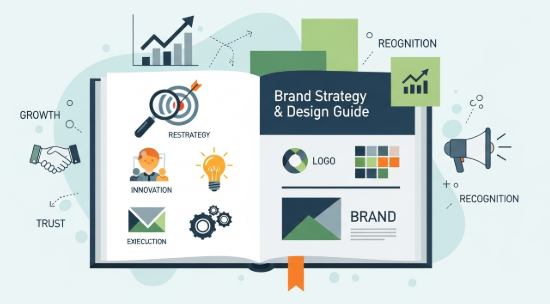
Brand Strategy and Design: A Complete Guide to Building a Strong, Consistent, and Profitable Brand

Brand strategy and design are no longer optional elements in modern business. In today’s competitive market, brand strategy and design define how a company is perceived, remembered, and trusted. From startups to global enterprises, brands that invest in a clear strategy and strong visual design consistently outperform those that do not.

Brand strategy and design work together to shape identity, communicate values, and influence customer decisions. When executed correctly, they create clarity, consistency, and long-term equity. Therefore, understanding how these two disciplines connect is essential for sustainable growth.

This article explains brand strategy and design in depth, using practical examples and actionable steps. It also shows how businesses can align messaging, visuals, and customer experience to build a brand that lasts.


Understanding Brand Strategy and Design

Brand strategy and design refer to the intentional planning and visual execution of a brand’s identity. Strategy defines direction, while design brings that direction to life.

Brand strategy focuses on purpose, positioning, audience, and differentiation. It answers critical questions such as who you are, who you serve, and why you matter. Design, on the other hand, translates those answers into visual and verbal elements.

Together, they form a unified system that guides every brand interaction. Without strategy, design lacks meaning. Without design, strategy lacks visibility.


Why Brand Strategy and Design Matter for Business Growth

Strong brand strategy and design directly impact business performance. They influence trust, recognition, and loyalty.

First, a clear brand strategy helps customers understand what to expect. This clarity reduces confusion and builds confidence. As a result, customers are more likely to choose your brand over competitors.

Second, consistent design reinforces memory. Colors, typography, and layouts create visual cues that help people recognize your brand instantly. Over time, recognition turns into preference.

Additionally, brand strategy and design improve marketing efficiency. When guidelines are clear, teams work faster and campaigns stay consistent. This alignment saves time and reduces costly revisions.


Core Elements of Brand Strategy

A strong brand strategy is built on several foundational elements. Each element must align with business goals and audience needs.

Purpose and Vision
Purpose defines why your brand exists beyond profit. Vision describes where the brand is heading. Together, they provide long-term direction.

Target Audience
Understanding your audience is critical. Define demographics, behaviors, motivations, and pain points. Therefore, messaging and design can speak directly to real needs.

Brand Positioning
Positioning explains how your brand is different. It highlights unique value and competitive advantage. This clarity helps customers choose you.

Brand Voice and Personality
Voice determines how your brand sounds. Personality defines how it feels. Consistency in tone builds familiarity and trust.


Key Components of Brand Design

Brand design transforms strategy into tangible assets. These elements should work together seamlessly.

Logo Design
A logo is often the first visual interaction. It should be simple, distinctive, and scalable.

Color Palette
Colors evoke emotion and meaning. Choose a limited palette that reflects brand personality and supports readability.

Typography
Fonts influence perception. Clean, readable typography enhances credibility and usability. Premium brands often invest in custom or professional fonts.

Visual System
This includes layouts, imagery style, icons, and patterns. A system ensures consistency across platforms.

For design inspiration and standards, you can reference authoritative resources such as https://www.interbrand.com.


Aligning Brand Strategy and Design Effectively

Alignment is where brand strategy and design create real value. When visuals reflect strategy, communication becomes clear and persuasive.

Start by documenting strategy in a brand framework. Then translate each strategic point into design decisions. For example, a bold positioning may require strong typography and high-contrast colors.

Additionally, create brand guidelines. These documents ensure consistency across teams and channels. They also make onboarding easier for designers and marketers.

If you are building related content, consider linking internally to a guide such as:
[Insert link to related article here]


Brand Strategy and Design in Digital Experiences

Digital platforms amplify the importance of brand strategy and design. Websites, apps, and social media require consistency and clarity.

User experience should reflect brand values. A luxury brand needs refined interactions, while a tech startup may prioritize speed and simplicity. Therefore, design choices must support strategic intent.

Content presentation also matters. Headlines, spacing, and visuals affect readability and engagement. When design supports content, users stay longer and convert more often.


Common Mistakes to Avoid

Many businesses struggle with brand strategy and design due to common errors.

One frequent mistake is starting with design without strategy. This approach often leads to inconsistent visuals and unclear messaging.

Another issue is frequent rebranding without reason. Constant changes confuse audiences and weaken recognition.

Additionally, ignoring scalability can limit growth. A brand should work across print, digital, and future platforms.


Measuring the Impact of Brand Strategy and Design

Measuring brand success requires both qualitative and quantitative indicators.

Track metrics such as brand awareness, engagement, and conversion rates. Surveys and feedback provide insights into perception and trust.

Consistency audits also help. Review touchpoints regularly to ensure alignment with guidelines.

Over time, strong brand strategy and design reduce marketing costs and increase lifetime value.


Practical Steps to Build a Strong Brand

To implement brand strategy and design effectively, follow these steps:

  • Conduct market and audience research

  • Define purpose, positioning, and personality

  • Create a clear brand framework

  • Develop a cohesive visual identity

  • Document guidelines and systems

  • Apply consistently across all channels

Each step builds on the previous one. Therefore, avoid shortcuts.


Conclusion: Investing in Brand Strategy and Design

Brand strategy and design are long-term investments that shape perception and performance. When aligned, they create clarity, consistency, and competitive advantage.

Businesses that commit to strategy-first design build stronger connections with their audience. Over time, these connections translate into trust, loyalty, and growth.

In a crowded market, brand strategy and design are not just about looking good. They are about being understood, remembered, and chosen.

Zeenesia Studio – Fonts that elevate your project.


FAQ: Brand Strategy and Design

What is the difference between brand strategy and brand design?
Brand strategy defines direction and purpose. Brand design visually expresses that strategy.

How long does brand strategy and design take?
Timelines vary, but a complete process often takes several weeks to months.

Can small businesses benefit from brand strategy and design?
Yes. Clear branding helps small businesses compete and build trust faster.

How often should a brand be updated?
Minor updates can happen regularly. Major rebrands should be strategic and infrequent.