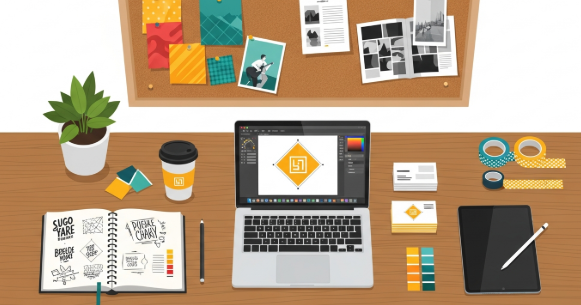
Personal Branding for a Freelance Graphic Designer: A Complete Guide to Standing Out in a Competitive Market

Personal branding for a freelance graphic designer has become more important than ever. The creative industry is growing rapidly, and many designers now compete for the same clients. Although talent matters, it is not always enough to secure long-term success. Clients need to remember who you are, understand what you do, and trust your abilities. Therefore, building a strong and clear personal brand helps you rise above the crowd, attract better projects, and position yourself as a professional worth hiring. In this guide, you will learn how to create, improve, and maintain powerful personal branding for a freelance graphic designer in today’s digital landscape.


What Is Personal Branding for a Freelance Graphic Designer?

Personal branding for a freelance graphic designer refers to how you present your skills, personality, and creative identity to potential clients. It is the combination of your visual style, tone of communication, reputation, and the experience you provide through your services. When your brand is strong, people associate your name with quality and reliability.

A clear personal brand also helps clients understand your unique strengths. Some designers focus on minimalist branding, while others specialize in playful illustrations, bold typography, or commercial advertising. Because of this, personal branding makes it easier for clients to pick you with confidence.


Why Personal Branding for a Freelance Graphic Designer Is Crucial

There are thousands of designers online, and most offer similar services. However, your personal brand highlights what makes you special. Additionally, it increases trust, which is a major factor in a client’s decision-making process.

Here are some reasons why personal branding for a freelance graphic designer matters:

  • It defines your niche and expertise.

  • It communicates your value clearly.

  • It helps you maintain consistent pricing.

  • It builds long-term client relationships.

  • It increases referrals and repeat business.

Moreover, strong personal branding provides clarity for your own career direction. You become more focused on the type of clients you want and the style of work you enjoy creating.


Crafting Your Identity: The Foundation of Personal Branding

Before you publish anything online, you first need to understand who you are as a designer. This foundation supports every marketing decision you make.

1. Define Your Core Message

Your core message is the main idea you want clients to associate with your name. For example:

  • “A minimalist designer who creates clean and modern brand identities.”

  • “A creative illustrator who brings playful characters to life.”

  • “A graphic designer who helps small businesses grow through powerful visual communication.”

When your message is clear, your branding becomes easier to maintain.

2. Understand Your Audience

Personal branding for a freelance graphic designer must be shaped around the people you want to serve. As a result, you should learn their needs and expectations.

Ask yourself:

  • Who are my ideal clients?

  • What problems do they face?

  • What design solutions do they need?

Additionally, your communication and portfolio style should appeal to this audience.


Creating a Visual Identity That Represents Your Brand

Visual identity plays a huge role in personal branding for a freelance graphic designer. Clients will judge your professionalism based on your appearance, even before they see your portfolio.

Elements to Include:

  • Your logo or personal monogram

  • A consistent color palette

  • A signature typography style

  • Branded templates for social media

  • A clean and professional website layout

Although designers often experiment with many styles, your visual identity should remain consistent to avoid confusion.


Building a Strong Online Presence

Once your identity is clear, the next step is to show it to the world. A professional online presence increases your visibility and credibility.

1. Create a Portfolio Website

Your website is the core of personal branding for a freelance graphic designer. It acts as your digital home, where clients can explore your work and hire you with confidence.

Include the following:

  • A concise biography

  • A curated portfolio

  • Testimonials from past clients

  • A contact form

  • A blog to demonstrate knowledge

Additionally, keep your website simple and easy to navigate.

2. Optimize Your Social Media Profiles

Platforms like Instagram, Behance, and Dribbble can boost your visibility. However, consistency is key. Use the same tone, style, and branding across all channels. Moreover, post regularly to keep your audience engaged.


Showcase Your Expertise Through Content

Content marketing is a powerful method for strengthening personal branding for a freelance graphic designer. When you share helpful and educational information, it positions you as an expert.

Types of Content You Can Create:

  • Design tutorials

  • Behind-the-scenes process videos

  • Case studies

  • Tips for small business branding

  • Personal stories about your creative journey

Furthermore, writing articles on your blog can attract more clients through search engines.


Networking: The Human Side of Personal Branding

Building a personal brand is not only about visuals and content. It also includes relationships. Many freelance graphic designers gain new clients simply through conversations and connections.

Ways to Network Effectively:

  • Join online communities

  • Attend design events or webinars

  • Connect with business owners

  • Collaborate with other creatives

  • Offer helpful advice without expecting anything in return

Therefore, keep your interactions positive and professional because every conversation leaves an impression.


Pricing Strategy as Part of Your Brand

Your prices communicate value. If your rates are too low, clients might assume your skills are basic. Conversely, charging premium prices signals expertise. Personal branding for a freelance graphic designer should include a transparent pricing strategy.

Consider offering:

  • A clear breakdown of services

  • Multiple package options

  • Add-ons such as branding guidelines or social media templates

Clients appreciate clarity, and it helps justify your rates.


Maintaining Your Personal Brand Over Time

A personal brand is not something you build once and forget. It requires continuous attention and updates. Review your brand at least once every few months.

Ask yourself:

  • Does my portfolio still represent my best work?

  • Are my visuals still consistent?

  • Has my niche changed?

  • Do I need to refine my message?

Additionally, remove old projects that no longer match your current style.


Tools to Strengthen Personal Branding for a Freelance Graphic Designer

There are many online tools that can support your branding efforts. For example, Canva, Adobe Express, and Figma help create consistent visuals. Additionally, platforms like LinkedIn can improve your professional network. For inspiration, you can explore resources like Adobe Creative Cloud or industry articles from Smashing Magazine.

(Authoritative outbound link example: Smashing Magazine)


Conclusion

Building strong personal branding for a freelance graphic designer is essential for long-term success. It helps you attract ideal clients, increase your value, and grow your creative career with confidence. The process includes defining your identity, crafting visual elements, establishing an online presence, creating valuable content, networking, and maintaining consistency. Although it requires effort, the rewards are worth it. With a well-defined personal brand, you stand out from competitors and build a sustainable freelance business.


FAQ: Personal Branding for Freelance Designers

1. How long does it take to build a personal brand?

It usually takes a few months of consistent effort. However, the more regularly you update your portfolio and content, the faster the results.

2. Do I need a logo for my personal brand?

A logo is helpful, but it is not mandatory. Consistency in style matters more.

3. Should I focus on one niche?

Specializing helps you become memorable. However, you can still accept projects outside your niche while maintaining your brand direction.

4. How can I attract more clients with my brand?

Share high-value content, join communities, showcase your best work, and maintain consistent visuals.

5. What platforms work best for designers?

Instagram, Behance, Dribbble, and LinkedIn are the most effective for building presence.


Zeenesia Studio – Fonts that elevate your project.