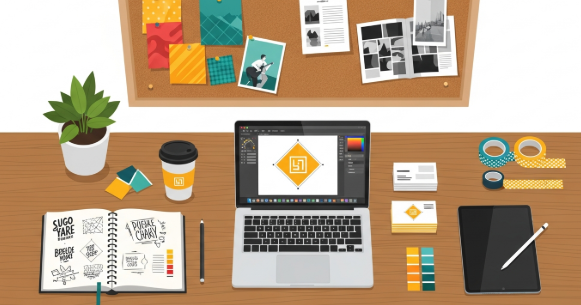
Personal Branding for a Freelance Graphic Designer: A Complete Guide to Standing Out in a Competitive Market

Personal branding for a freelance graphic designer has become more important than ever. The creative industry is growing rapidly, and many designers now compete for the same clients. Although talent matters, it is not always enough to secure long-term success. Clients need to remember who you are, understand what you do, and trust your abilities. Therefore, building a strong and clear personal brand helps you rise above the crowd, attract better projects, and position yourself as a professional worth hiring. In this guide, you will learn how to create, improve, and maintain powerful personal branding for a freelance graphic designer in today’s digital landscape.


What Is Personal Branding for a Freelance Graphic Designer?

Personal branding for a freelance graphic designer refers to how you present your skills, personality, and creative identity to potential clients. It is the combination of your visual style, tone of communication, reputation, and the experience you provide through your services. When your brand is strong, people associate your name with quality and reliability.

A clear personal brand also helps clients understand your unique strengths. Some designers focus on minimalist branding, while others specialize in playful illustrations, bold typography, or commercial advertising. Because of this, personal branding makes it easier for clients to pick you with confidence.


Why Personal Branding for a Freelance Graphic Designer Is Crucial

There are thousands of designers online, and most offer similar services. However, your personal brand highlights what makes you special. Additionally, it increases trust, which is a major factor in a client’s decision-making process.

Here are some reasons why personal branding for a freelance graphic designer matters:

  • It defines your niche and expertise.

  • It communicates your value clearly.

  • It helps you maintain consistent pricing.

  • It builds long-term client relationships.

  • It increases referrals and repeat business.

Moreover, strong personal branding provides clarity for your own career direction. You become more focused on the type of clients you want and the style of work you enjoy creating.


Crafting Your Identity: The Foundation of Personal Branding

Before you publish anything online, you first need to understand who you are as a designer. This foundation supports every marketing decision you make.

1. Define Your Core Message

Your core message is the main idea you want clients to associate with your name. For example:

  • “A minimalist designer who creates clean and modern brand identities.”

  • “A creative illustrator who brings playful characters to life.”

  • “A graphic designer who helps small businesses grow through powerful visual communication.”

When your message is clear, your branding becomes easier to maintain.

2. Understand Your Audience

Personal branding for a freelance graphic designer must be shaped around the people you want to serve. As a result, you should learn their needs and expectations.

Ask yourself:

  • Who are my ideal clients?

  • What problems do they face?

  • What design solutions do they need?

Additionally, your communication and portfolio style should appeal to this audience.


Creating a Visual Identity That Represents Your Brand

Visual identity plays a huge role in personal branding for a freelance graphic designer. Clients will judge your professionalism based on your appearance, even before they see your portfolio.

Elements to Include:

  • Your logo or personal monogram

  • A consistent color palette

  • A signature typography style

  • Branded templates for social media

  • A clean and professional website layout

Although designers often experiment with many styles, your visual identity should remain consistent to avoid confusion.


Building a Strong Online Presence

Once your identity is clear, the next step is to show it to the world. A professional online presence increases your visibility and credibility.

1. Create a Portfolio Website

Your website is the core of personal branding for a freelance graphic designer. It acts as your digital home, where clients can explore your work and hire you with confidence.

Include the following:

  • A concise biography

  • A curated portfolio

  • Testimonials from past clients

  • A contact form

  • A blog to demonstrate knowledge

Additionally, keep your website simple and easy to navigate.

2. Optimize Your Social Media Profiles

Platforms like Instagram, Behance, and Dribbble can boost your visibility. However, consistency is key. Use the same tone, style, and branding across all channels. Moreover, post regularly to keep your audience engaged.


Showcase Your Expertise Through Content

Content marketing is a powerful method for strengthening personal branding for a freelance graphic designer. When you share helpful and educational information, it positions you as an expert.

Types of Content You Can Create:

  • Design tutorials

  • Behind-the-scenes process videos

  • Case studies

  • Tips for small business branding

  • Personal stories about your creative journey

Furthermore, writing articles on your blog can attract more clients through search engines.


Networking: The Human Side of Personal Branding

Building a personal brand is not only about visuals and content. It also includes relationships. Many freelance graphic designers gain new clients simply through conversations and connections.

Ways to Network Effectively:

  • Join online communities

  • Attend design events or webinars

  • Connect with business owners

  • Collaborate with other creatives

  • Offer helpful advice without expecting anything in return

Therefore, keep your interactions positive and professional because every conversation leaves an impression.


Pricing Strategy as Part of Your Brand

Your prices communicate value. If your rates are too low, clients might assume your skills are basic. Conversely, charging premium prices signals expertise. Personal branding for a freelance graphic designer should include a transparent pricing strategy.

Consider offering:

  • A clear breakdown of services

  • Multiple package options

  • Add-ons such as branding guidelines or social media templates

Clients appreciate clarity, and it helps justify your rates.


Maintaining Your Personal Brand Over Time

A personal brand is not something you build once and forget. It requires continuous attention and updates. Review your brand at least once every few months.

Ask yourself:

  • Does my portfolio still represent my best work?

  • Are my visuals still consistent?

  • Has my niche changed?

  • Do I need to refine my message?

Additionally, remove old projects that no longer match your current style.


Tools to Strengthen Personal Branding for a Freelance Graphic Designer

There are many online tools that can support your branding efforts. For example, Canva, Adobe Express, and Figma help create consistent visuals. Additionally, platforms like LinkedIn can improve your professional network. For inspiration, you can explore resources like Adobe Creative Cloud or industry articles from Smashing Magazine.

(Authoritative outbound link example: Smashing Magazine)


Conclusion

Building strong personal branding for a freelance graphic designer is essential for long-term success. It helps you attract ideal clients, increase your value, and grow your creative career with confidence. The process includes defining your identity, crafting visual elements, establishing an online presence, creating valuable content, networking, and maintaining consistency. Although it requires effort, the rewards are worth it. With a well-defined personal brand, you stand out from competitors and build a sustainable freelance business.


FAQ: Personal Branding for Freelance Designers

1. How long does it take to build a personal brand?

It usually takes a few months of consistent effort. However, the more regularly you update your portfolio and content, the faster the results.

2. Do I need a logo for my personal brand?

A logo is helpful, but it is not mandatory. Consistency in style matters more.

3. Should I focus on one niche?

Specializing helps you become memorable. However, you can still accept projects outside your niche while maintaining your brand direction.

4. How can I attract more clients with my brand?

Share high-value content, join communities, showcase your best work, and maintain consistent visuals.

5. What platforms work best for designers?

Instagram, Behance, Dribbble, and LinkedIn are the most effective for building presence.


Zeenesia Studio – Fonts that elevate your project.

How to Get High-Paying Graphic Design Clients Without Using Upwork or Fiverr

Most designers start with freelance platforms.

But if you’re tired of:
❌ pricing wars
❌ low-budget clients
❌ endless revisions
❌ competing with thousands of designers

…good news:

👉 You do not need Upwork or Fiverr to get high-paying clients.

You need positioning, authority, and a smarter strategy.

This guide will show you how to attract clients who value quality — and pay for it.


1. Stop Selling Design. Start Selling Business Outcomes.

Clients don’t care about:
❌ fonts
❌ layers
❌ color palettes

They care about:
✔ more customers
✔ stronger branding
✔ investor confidence
✔ increased revenue
✔ brand perception

When your message changes from “I design logos” to “I help brands increase trust and sales through strategic identity design,” the type of client you attract changes too.


2. Specialize — Because Generalists Compete on Price

High-paying clients want specialists.

Instead of:

“I do logos, posters, banners, anything.”

Try:

“I create visual identities for wellness & lifestyle brands.”

Niche ≠ less opportunity.
Niche = higher trust + faster sales.


3. Build a Portfolio That Sells — Not Just Looks Good

Your portfolio shouldn’t be a gallery.
It should be a strategic sales tool.

Include:
✔ project goals
✔ your process
✔ design decisions
✔ real outcomes (or projected outcomes)
✔ testimonials

Case studies > images
Strategy > aesthetics


4. Use Content to Pull Clients In (Instead of Chasing Them)

People hire who they trust.
People trust who they learn from.

Create content like:
📌 branding tips
📌 behind-the-scenes of your process
📌 storytelling posts
📌 before & after redesigns
📌 industry-specific insights

Post on:

  • LinkedIn

  • Instagram

  • TikTok

  • YouTube Shorts

  • Email newsletter

  • Your website/blog

This turns you into the expert — not “just a designer.”


5. LinkedIn = Goldmine for High-Paying Clients

Most designers ignore LinkedIn. That’s a mistake.

Unlike Instagram, LinkedIn is full of:
💰 decision-makers
💰 founders
💰 marketing teams
💰 startup owners
💰 agencies

The formula:

  1. Optimize your profile

  2. Post authority content

  3. Engage with potential clients

  4. Share results & case studies

This is not hustling — it’s positioning.


6. Outreach That Works (Without Being Annoying)

BAD:

“Hey, need a designer?”

BETTER:

“Hey, I noticed your brand visuals don’t match your messaging — mind if I send a few suggestions?”

Offer value first.
Sell later.


7. Build Referral Power

Some of your best clients will come from:

  • Web developers

  • Social media managers

  • Copywriters

  • Videographers

  • Business consultants

  • Marketing agencies

They all know clients who need design.

Build relationships, not just connections.


8. Raise Your Prices (Yes, Seriously)

Cheap = risky in the eyes of premium clients.

If you charge too little, they assume:
❌ you’re inexperienced
❌ low quality
❌ lack confidence

Premium clients EXPECT premium pricing.
It’s not about being expensive — it’s about matching perception to value.


9. Create a Value-Based Lead Magnet

Example ideas:
📌 Brand audit video
📌 “10 brand mistakes” PDF
📌 Case study breakdown
📌 Free strategy call
📌 Identity checklist

This lets potential clients experience your expertise before hiring you.


10. Play the Long Game

High-paying clients make thoughtful decisions.
They buy based on trust, not urgency.

Your job = keep showing up.

✔ Publish
✔ Educate
✔ Build relationships
✔ Showcase wins
✔ Improve your positioning

You’re not looking for many clients.
Just the right ones.


💡 Final Reminder

You don’t need freelancer platforms to get great clients.
You need to look like someone worth hiring.

✔ Positioning
✔ Portfolio strategy
✔ Value-based content
✔ Relationship marketing
✔ Authority & trust

Do this right, and clients will reach out to you.
Not the other way around.

How to Build a Consistent Brand Identity as a Freelance Designer

As a freelance designer, your brand is more than just a logo or color palette — it’s the personality, voice, and trust you build with your audience.
A consistent brand identity not only helps you stand out in a crowded market but also attracts clients who connect with your creative style.

Let’s dive into how you can build a professional, consistent brand identity that reflects who you are and the kind of work you want to do.


1. Define Your Brand Personality

Before you start designing your logo or website, define what your brand feels like.
Are you minimal and modern? Bold and playful? Elegant and refined?

Your brand personality should reflect your design approach, tone of voice, and even the type of clients you want to attract.

💡 Pro tip: Create a list of adjectives that describe your brand — like “clean,” “strategic,” or “innovative.” Use these words to guide every creative decision.


2. Create a Strong Visual Identity

Your visual identity is how people see your brand — and it should be cohesive across every platform.

Key elements include:

  • Logo: Simple, memorable, and versatile.

  • Color palette: 3–5 consistent colors that represent your vibe.

  • Typography: Use 1–2 font families and stick with them.

  • Imagery style: Keep your photos, illustrations, and textures consistent.

Consistency builds recognition. When someone sees your portfolio or social post, they should immediately know it’s you.


3. Develop a Clear Brand Voice

Your brand voice is how you sound — in captions, emails, proposals, and your website copy.

If your design style is clean and minimal, keep your tone professional and straightforward.
If your work is bold and fun, use a more casual and expressive tone.

💬 Tip: Write as if you’re talking directly to your ideal client. Authentic communication builds trust faster than generic professionalism.


4. Stay Consistent Across All Touchpoints

From your website to your Behance portfolio to your Instagram feed, everything should look and feel unified.
That means using:

  • The same profile picture or logo

  • Consistent colors and typefaces

  • Similar layouts and visual tone

Even small inconsistencies can confuse potential clients — consistency creates a sense of professionalism and reliability.


5. Show Your Process, Not Just the Final Design

Clients don’t just buy logos — they buy your creative process.
Use case studies, stories, or social posts to show how you think, not just what you make.

Share your design workflow, sketches, moodboards, and iterations.
This transparency not only builds credibility but also strengthens your brand identity as a thoughtful designer.


6. Evolve, but Don’t Drift

Your brand identity should evolve with your skills and audience — but slowly and intentionally.
Avoid changing your logo or style too often. Instead, refresh small elements while keeping your core recognizable.

💡 Example: Update your color palette or typography every few years, but maintain the same logo structure or voice tone.


7. Brand Yourself Like You Would a Client

This might sound obvious, but many designers neglect their own branding.
Treat your personal brand as seriously as a paid client project: create a strategy, moodboard, and style guide.

By branding yourself professionally, you signal to clients that you understand the value of consistent identity — and that you can do the same for them.


Conclusion

Consistency is what turns a designer into a brand.
When your visuals, voice, and values align, you become more than just another freelancer — you become recognizable, trustworthy, and memorable.

Start small, stay consistent, and let your design identity grow naturally with you.

How to Create a Standout Portfolio That Attracts Clients

Your portfolio is your most powerful marketing tool as a designer. It’s more than just a collection of projects — it’s your story, your skillset, and your personal brand in action.
A strong portfolio doesn’t just showcase what you can design, but why and how you do it.

Let’s explore how to build a design portfolio that not only looks impressive but also attracts the kind of clients you actually want to work with.


1. Define Your Niche and Ideal Clients

Before adding a single project, take a step back and ask:

  • What kind of design work do I want to do more of?

  • Who are my dream clients?

If you want to attract branding clients, focus on case studies about logos, color systems, and visual identity.
If you’re into UI/UX, prioritize app and web projects that demonstrate your problem-solving process.

💡 Tip: A focused portfolio attracts focused opportunities. Trying to appeal to everyone will often result in appealing to no one.


2. Showcase Quality Over Quantity

You don’t need 50 projects to impress — you need 5 great ones that demonstrate skill, thought, and consistency.

Choose projects that:

  • Represent your best work

  • Highlight your range of skills

  • Tell a story from problem to solution

Clients want to see how you think, not just the final output. So emphasize the process behind each project — the research, sketches, and reasoning that led to your design decisions.


3. Tell the Story Behind Each Project

Great design is about solving problems — and stories make that clear.
For each project, structure your case study like this:

  1. The challenge: What was the goal or problem?

  2. The process: How did you approach it?

  3. The solution: What design decisions did you make?

  4. The result: How did it impact the client or audience?

This format shows professionalism and strategic thinking — exactly what clients look for.


4. Keep It Visually Cohesive

Your portfolio itself is part of your design.
Use consistent colors, typography, spacing, and imagery across your website or presentation.

Even if you include different types of work (logos, UI, packaging), maintain a unified aesthetic.
Consistency makes your portfolio feel intentional and polished.


5. Include Personal or Passion Projects

Don’t underestimate the power of personal projects.
If you haven’t worked with many clients yet, create self-initiated work that reflects your dream niche.

For example:

  • Redesign an existing brand you admire

  • Create a conceptual UI project

  • Build your own visual identity system

💬 Pro tip: Passion projects often get more attention because they show authenticity and creativity without limitations.


6. Highlight Your Process and Tools

Clients appreciate transparency. Mention the tools and methods you use — whether it’s Adobe Illustrator, Figma, or Affinity Designer.
This not only builds credibility but also connects you with clients who prefer similar workflows.


7. Add Testimonials and Results

Whenever possible, include short client testimonials or measurable results (like engagement growth, conversion rates, or brand recognition).
Social proof builds trust and reinforces your professionalism.


8. Make It Easy to Navigate and Contact You

Keep your portfolio layout simple. Clients should find your best work in two clicks or less.
Also, make your contact options visible — ideally on every page.

Don’t make them search for your email — they won’t.


9. Update It Regularly

A stagnant portfolio gives the impression of a stagnant career.
Update your portfolio at least twice a year with your latest and strongest projects.


10. Make It Personal

Your portfolio should sound and feel like you.
Include a short bio, photo, or even a “behind-the-scenes” section that shows your personality and design philosophy.

People don’t just hire designers — they hire humans they connect with.


Conclusion

A great portfolio isn’t just a showcase — it’s a conversation starter.
By curating your work thoughtfully, telling your story, and presenting it consistently, you’ll attract clients who truly value your creative expertise.

Remember: your portfolio doesn’t just show what you’ve done — it shapes what comes next.