The freelance world keeps evolving, and for graphic designers, it has never been more exciting — or competitive.
With the rise of AI, digital tools, and global remote work, designers now have countless opportunities to find clients and grow their careers online.
But which platforms are really worth your time in 2025? Let’s explore the best freelancing websites that help designers find work, build portfolios, and earn consistent income.
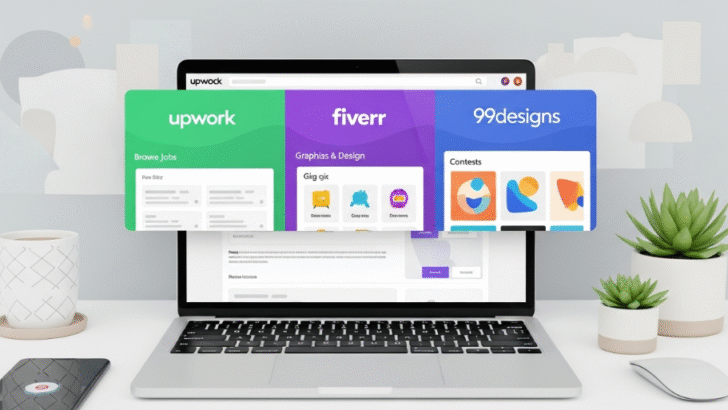
1. Upwork – The Professional Freelance Marketplace
Upwork remains the top freelancing platform for experienced designers who want to work with established clients.
With features like project proposals, verified client ratings, and long-term contracts, it’s perfect for building a stable freelance career.
💡 Best for: Designers who already have strong portfolios and want reliable, high-value projects.
Pro tip: Optimize your profile with specific keywords like “brand identity designer” or “UI/UX specialist” to appear in client searches.
2. Fiverr – Fast, Accessible, and Great for Beginners
Fiverr has transformed from a $5 gig platform into a serious creative marketplace.
Designers can offer pre-packaged services (like “Logo Design with Brand Guide”) and attract clients who want quick turnarounds.
💡 Best for: Freelancers who want to build experience, attract fast clients, or test new services.
Why it works: Fiverr’s SEO-like system rewards clear titles and eye-catching visuals — meaning your presentation matters as much as your skill.
3. Toptal – Elite Network for Top Designers
Toptal is a curated platform for high-end freelancers. Only the top 3% of applicants get accepted.
If you make it in, you’ll work with global brands and earn premium rates.
💡 Best for: Senior designers or brand specialists who value quality over quantity.
Bonus: Toptal offers flexible schedules and client matching — perfect for pros who want consistent, serious projects.
4. 99designs by Vista – Logo and Brand Design Hub
99designs is built specifically for graphic designers.
It uses design contests where multiple designers submit ideas, and clients choose the best one.
While it can be competitive, it’s a great way to build your portfolio, get exposure, and learn what real clients want.
💡 Best for: Logo, branding, and packaging designers who enjoy creative challenges.
5. Contra – The Future of Commission-Free Freelancing
Contra is a rising star in the freelance space. It’s built for creatives — designers, marketers, and developers — and takes zero commission from your earnings.
You can create a portfolio, showcase case studies, and even link your social media presence to attract clients directly.
💡 Best for: Designers who want independence, control, and direct client relationships.
6. Behance – The Creative Network That Gets You Hired
Many designers think of Behance as a portfolio site — but it’s also a powerful job-finding platform.
Brands often reach out directly to designers whose portfolios stand out.
💡 Best for: Designers focused on long-term visibility and brand collaborations.
Pro tip: Keep your projects detailed and well-tagged to appear in search results for design agencies and recruiters.
7. Dribbble – Perfect for UI, Branding, and Digital Designers
Dribbble isn’t just for showing off designs — it’s a hiring platform.
You can apply for freelance gigs, remote contracts, and even full-time creative positions.
💡 Best for: UI/UX, app, and web designers looking for modern, creative projects.
Why it’s powerful: Many startups and design studios actively recruit talent here.
8. Designhill – Competitive and Rewarding
Designhill offers logo and brand contests, similar to 99designs, but with a broader marketplace.
It’s a great platform for designers who love competition and want to test their creativity.
💡 Best for: Ambitious freelancers who enjoy client challenges and fast-paced projects.
9. Worksome – Freelancing Meets Recruitment
Worksome focuses on connecting freelancers with enterprise-level clients — often with long-term contracts.
It’s becoming popular in Europe and North America for creative professionals seeking stability.
💡 Best for: Experienced designers seeking structured, well-paid remote contracts.
10. LinkedIn Services – The Hidden Gem
Don’t underestimate LinkedIn. Its “Services” feature allows designers to promote their freelance offerings and get discovered by potential clients organically.
💡 Best for: Designers who already network professionally or want to attract B2B projects.
Conclusion
Whether you’re just starting your freelance journey or scaling your design business, the right platform can make all the difference.
From Fiverr’s accessibility to Toptal’s exclusivity, each marketplace serves a unique purpose.
The best strategy?
👉 Pick one or two platforms that match your goals, stay consistent, and let your portfolio do the talking.
In 2025, being visible, adaptable, and authentic is the ultimate freelance advantage.