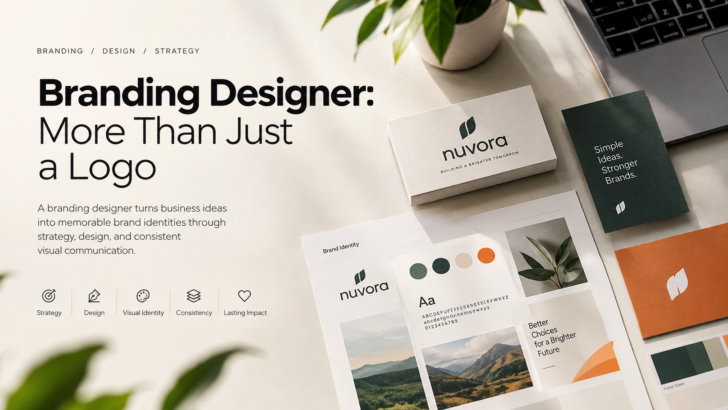
Branding Design Agency: How Strategic Branding Builds Trust

Branding design agency services are essential for businesses that want to build a strong, recognizable, and trustworthy brand. A branding design agency helps companies define their identity, communicate their value, and create consistency across all platforms. In competitive digital markets, branding is no longer decorative. Instead, it functions as a strategic business foundation.

A professional branding design agency combines research, strategy, and design execution. Therefore, businesses that invest in branding gain clearer positioning and stronger customer loyalty. This article explains what a branding design agency does, why it matters, and how it supports long-term growth.

What a branding design agency does

A branding design agency develops a complete brand system that represents a business visually and verbally. This system ensures that every interaction feels consistent and intentional. However, branding extends far beyond logo creation.

A typical branding design agency provides:

  • Brand research and positioning

  • Logo and visual identity design

  • Typography and color system development

  • Brand guidelines documentation

  • Marketing and digital design assets

Additionally, a branding design agency aligns creative decisions with business objectives. As a result, branding supports growth instead of relying on trends.

Why a branding design agency matters for businesses

Modern markets are saturated. Therefore, differentiation is critical. A branding design agency helps businesses stand out with a clear and memorable identity.

Consistent branding also increases trust. When messaging and visuals align, customers perceive the brand as more professional. Consequently, conversion rates improve.

Moreover, branding supports scalability. As businesses expand, a strong brand system ensures clarity across new channels. According to Nielsen Norman Group, consistency improves usability and user trust in digital products (https://www.nngroup.com).

Key benefits of working with a branding design agency

A branding design agency delivers strategic and operational advantages.

First, branding decisions become research-driven. Agencies analyze competitors, audiences, and market positioning. Therefore, design choices have purpose.

Second, efficiency improves. Businesses work with one coordinated team instead of multiple vendors. This approach reduces friction and misalignment.

Third, internal clarity increases. Teams understand brand tone, values, and direction. As a result, communication becomes more consistent.

Key benefits include:

  • Stronger brand recognition

  • Higher customer trust

  • Improved marketing performance

  • Deeper emotional connection

Core services offered by a branding design agency

Brand strategy and positioning

Brand strategy defines the foundation of the brand. A branding design agency conducts discovery sessions and market analysis. Therefore, the brand gains a clear purpose.

This stage answers questions such as:

  • What makes the brand unique?

  • Who is the target audience?

  • What emotional response should the brand create?

Visual identity system

Visual identity transforms strategy into design. A branding design agency creates logos, color palettes, typography, and supporting elements.

Typography plays a critical role. Fonts communicate tone and personality. For example, serif fonts suggest authority, while sans-serif fonts feel modern.

Brand guidelines

Brand guidelines ensure consistency. These documents explain how to apply brand assets correctly. Therefore, teams avoid misuse across platforms.

Guidelines are essential for growing companies and external partners.

Marketing and digital assets

A branding design agency also produces practical assets, such as:

  • Website and landing page designs

  • Social media templates

  • Presentations and pitch decks

  • Packaging and promotional materials

These assets ensure branding performs effectively in real use cases.

How a branding design agency improves marketing results

Marketing performs better when branding is clear. A branding design agency aligns campaigns with brand strategy.

Consistent branding improves recognition. Therefore, audiences respond faster and with more confidence. Additionally, branded visuals increase engagement rates.

A branding design agency also supports SEO and content clarity. Clear brand voice improves content quality. As a result, users and search engines respond positively.

How to choose the right branding design agency

Choosing a branding design agency requires strategic evaluation.

Start with portfolio review. Look for consistency and relevance. However, visuals alone are not enough.

Next, review the agency process. A professional branding design agency prioritizes strategy before design.

Key selection criteria include:

  • Proven branding experience

  • Transparent workflow

  • Clear communication

  • Strong understanding of business goals

  • Positive client case studies

Additionally, consider long-term collaboration. Branding evolves over time. Therefore, ongoing support is valuable.

Common mistakes without a branding design agency

Many businesses manage branding internally. While this seems cost-effective, it often causes problems.

Inconsistency weakens recognition. Without guidelines, visuals vary across platforms. As a result, trust decreases.

Trend-based design is another risk. Trends change quickly. However, branding should remain stable.

Unclear messaging also confuses customers. A branding design agency prevents these issues through structure and clarity.

Branding design agency trends shaping the future

Branding continues to evolve. A modern branding design agency adapts to new expectations.

Minimalist branding remains effective. Clean layouts improve readability. However, personality must remain clear.

Typography-led branding is growing. Custom fonts help brands stand out. Therefore, typography is now strategic.

Flexible brand systems are also increasing. Brands use adaptable frameworks for multiple platforms.

Sustainability influences branding as well. Ethical design and transparency build trust with modern audiences.

Internal alignment and branding success

Branding impacts internal teams. A branding design agency often runs workshops to align stakeholders.

These sessions unify leadership, marketing, and design teams. Therefore, brand adoption improves.

Employees become brand ambassadors when values are clear. For further alignment, refer to internal resources such as [Insert internal link to brand guidelines here].

Measuring branding design agency impact

Branding performance can be measured.

Key indicators include:

  • Brand awareness growth

  • Engagement improvements

  • Conversion rate increases

  • Customer retention

A branding design agency often supports tracking and optimization. Therefore, branding remains aligned with business growth.

Conclusion

A branding design agency is a strategic partner that shapes perception, trust, and differentiation. By combining research, creativity, and consistency, a branding design agency builds identities that support long-term success.

In competitive markets, strong branding creates clarity and confidence. Therefore, investing in a professional branding design agency delivers sustainable value.

Read also: Brand Identity System Design: A Complete Guide to Building Consistent and Scalable Brands

Zeenesia Studio – Fonts that elevate your project.

Branding Design Guidelines: A Complete Framework for Building a Consistent and Memorable Brand

Branding design guidelines are the foundation of every strong and recognizable brand. In a competitive digital landscape, consistency is no longer optional. Instead, it is a strategic necessity that shapes perception, trust, and long-term brand equity. When businesses apply branding design guidelines correctly, they create visual harmony across all touchpoints. As a result, audiences recognize, remember, and trust the brand faster.

Branding design guidelines define how a brand looks, feels, and communicates visually. They align design decisions with business goals. Moreover, they help teams work faster and more accurately. Without clear guidelines, branding becomes inconsistent and confusing. Therefore, every growing brand needs a documented and actionable system.

This article explains branding design guidelines in depth. You will learn what they are, why they matter, and how to build them step by step. You will also see real-world examples and best practices you can apply immediately.


What Are Branding Design Guidelines?

Branding design guidelines are a structured set of rules that govern how a brand’s visual identity should be used. These rules ensure consistency across digital and physical media. They also protect brand integrity over time.

Typically, branding design guidelines include specifications for logos, colors, typography, imagery, and layout. However, strong guidelines go beyond visuals. They also reflect brand personality and values.

In simple terms, branding design guidelines answer one key question:
“How should our brand look everywhere, every time?”

Because teams change and platforms evolve, written guidelines become a single source of truth. Therefore, they reduce errors and subjective decisions.


Why Branding Design Guidelines Matter for Business Growth

Branding design guidelines directly impact business performance. Consistent branding increases revenue, recognition, and trust. According to research, consistent brand presentation can significantly improve brand recall and customer loyalty.

First, consistency builds credibility. When visuals look aligned, users feel confident. However, inconsistency creates doubt. As a result, trust declines.

Second, guidelines save time and cost. Designers, marketers, and partners can work faster. They no longer guess or reinvent visuals. Instead, they follow clear rules.

Third, branding design guidelines support scalability. As brands expand into new markets, guidelines keep the identity intact. Therefore, growth does not dilute brand value.

For usability and design consistency principles, you can also refer to Nielsen Norman Group:
https://www.nngroup.com/articles/consistency-and-standards/


Core Elements of Effective Branding Design Guidelines

Strong branding design guidelines include several essential components. Each component plays a specific role in maintaining consistency.

Brand Foundation and Visual Philosophy

Before defining visuals, guidelines should explain the brand’s purpose. This includes mission, vision, and core values. These elements guide design decisions.

For example, a modern tech brand may prioritize clarity and minimalism. In contrast, a creative studio may embrace bold expression. Therefore, visual rules must align with brand intent.

Logo Usage Rules

The logo is the most recognizable brand asset. As a result, branding design guidelines must define clear usage rules.

Include the following details:

  • Primary and secondary logo versions

  • Minimum size requirements

  • Clear space around the logo

  • Correct and incorrect usage examples

Additionally, specify where the logo can appear. This avoids distortion and misuse.

Color Palette Definition

Color plays a major role in brand recognition. Therefore, branding design guidelines must define an official color system.

Typically, this includes:

  • Primary brand colors

  • Secondary and accent colors

  • HEX, RGB, CMYK, and Pantone values

Moreover, guidelines should explain how colors are combined. This ensures visual harmony across platforms.

Typography System

Typography defines the tone of a brand’s voice. For this reason, branding design guidelines should clearly specify font usage.

Include:

  • Primary brand font

  • Secondary or fallback fonts

  • Font weights and hierarchy

  • Line spacing and alignment rules

Typography rules help maintain readability. They also ensure visual consistency across print and digital assets.

If you want to explore professional fonts for branding, see this internal reference:
[Insert link to related article here]


Imagery and Graphic Style Guidelines

Images communicate emotion faster than text. Therefore, branding design guidelines must define a consistent imagery style.

Photography Style

Specify whether images should be:

  • Bright or muted

  • High contrast or soft

  • Lifestyle-focused or product-focused

Additionally, explain composition and subject matter preferences. This ensures all visuals feel cohesive.

Illustration and Iconography

If your brand uses illustrations or icons, define their style. For example:

  • Line-based or filled icons

  • Rounded or sharp edges

  • Flat or dimensional illustrations

Clear rules prevent visual inconsistency.


Layout, Spacing, and Grid Systems

Layout rules ensure balance and clarity. Branding design guidelines should include spacing principles and grid usage.

Define:

  • Margin and padding standards

  • Alignment rules

  • Grid systems for web and print

These rules improve usability. They also create a clean and professional appearance.

Consistency in layout reinforces brand recognition. Therefore, it should never be overlooked.


Tone of Voice and Visual Consistency

Although often overlooked, tone influences visual design. Branding design guidelines should align visuals with communication style.

For example:

  • A friendly brand uses rounded shapes and warm colors

  • A professional brand uses structured layouts and neutral tones

When tone and visuals align, branding feels authentic.


How to Create Branding Design Guidelines Step by Step

Creating branding design guidelines does not require complexity. However, it requires clarity and discipline.

Follow these steps:

  1. Define your brand strategy and positioning

  2. Audit existing visual assets

  3. Establish logo, color, and typography systems

  4. Define imagery and layout rules

  5. Document everything clearly

  6. Test guidelines across real use cases

Afterward, refine based on feedback. Branding design guidelines should evolve, not stagnate.


Common Mistakes to Avoid in Branding Design Guidelines

Many brands create guidelines but fail to use them effectively. Avoid these common mistakes:

  • Making guidelines too vague

  • Overcomplicating rules

  • Ignoring digital platforms

  • Failing to update guidelines

  • Not sharing guidelines with partners

Clear, practical, and accessible guidelines work best.


Branding Design Guidelines for Digital Platforms

Digital environments require special attention. Therefore, branding design guidelines should address responsive design and accessibility.

Include:

  • Mobile-first considerations

  • Contrast and readability standards

  • Accessibility compliance basics

These rules ensure a consistent experience across devices.


Maintaining and Updating Branding Design Guidelines

Branding is not static. Markets evolve, and platforms change. Therefore, branding design guidelines must be reviewed regularly.

Schedule updates annually or after major rebrands. In addition, gather feedback from design and marketing teams. This keeps guidelines relevant and effective.


Conclusion: Why Branding Design Guidelines Are a Long-Term Investment

Branding design guidelines are not just a design document. Instead, they are a strategic asset. They protect brand identity, improve efficiency, and support growth.

When applied consistently, branding design guidelines strengthen recognition and trust. They also empower teams to create aligned and impactful designs. Therefore, investing time in clear guidelines pays long-term dividends.

If you want your brand to scale without losing identity, start with strong branding design guidelines today.

Zeenesia Studio – Fonts that elevate your project.


FAQ: Branding Design Guidelines

What are branding design guidelines used for?
Branding design guidelines ensure consistent visual identity across all brand touchpoints.

How detailed should branding design guidelines be?
They should be clear, practical, and detailed enough to avoid misinterpretation.

Who should use branding design guidelines?
Designers, marketers, developers, and external partners should all follow them.

How often should branding design guidelines be updated?
They should be reviewed at least once a year or after major brand changes.

Rebranding Design Strategy: Guide to Stronger Brand Identity

A rebranding design strategy is not just about changing a logo or choosing new colors. It is a structured process that aligns visual identity, messaging, and customer perception with current business goals. In a competitive market, companies often need a clear rebranding design strategy to stay relevant, credible, and memorable.

However, rebranding without a plan can confuse audiences and weaken trust. Therefore, this guide explains how to build a rebranding design strategy that is strategic, measurable, and SEO-friendly. Additionally, it provides practical examples and actionable steps you can apply immediately.


Understanding a Rebranding Design Strategy

A rebranding design strategy is a long-term plan that defines how a brand’s visual and verbal identity will evolve. It connects business objectives with design decisions. As a result, every element supports a consistent brand story.

This strategy usually includes brand positioning, visual identity, tone of voice, and customer experience. However, it also considers internal alignment and market perception. Without this foundation, design changes may look attractive but fail to deliver results.


When a Rebranding Design Strategy Is Necessary

Not every brand needs a rebrand. Nevertheless, there are clear signals that indicate the need for a rebranding design strategy.

Common triggers include:

  • Business growth into new markets

  • A merger or acquisition

  • Outdated visual identity

  • Shift in target audience

  • Brand reputation issues

For example, a startup that has matured into an enterprise brand often outgrows its initial design. Therefore, a structured rebranding design strategy ensures the brand evolves without losing recognition.


Key Goals of an Effective Rebranding Design Strategy

Before starting, you must define clear goals. Otherwise, success becomes difficult to measure.

Typical goals include:

  • Strengthening brand credibility

  • Improving customer trust

  • Increasing brand recognition

  • Differentiating from competitors

  • Supporting new business directions

Additionally, goals should be realistic and aligned with business KPIs. For instance, improving brand consistency across digital channels is a measurable objective.


Research and Discovery Phase

Research is the foundation of every successful rebranding design strategy. At this stage, you gather insights before making creative decisions.

Important research areas include:

  • Brand audit (visuals, messaging, tone)

  • Audience analysis and behavior

  • Competitor positioning

  • Market trends and expectations

Moreover, tools such as brand surveys and customer interviews provide valuable data. According to Nielsen Norman Group, usability and clarity strongly influence brand trust (https://www.nngroup.com/articles/branding-usability/).


Defining Brand Positioning and Messaging

After research, the next step is brand positioning. This defines how the brand wants to be perceived.

Key elements include:

  • Brand purpose

  • Core values

  • Unique value proposition

  • Brand personality

Therefore, your rebranding design strategy must translate these elements into clear messaging. Consistency between words and visuals strengthens brand recall and trust.


Visual Identity Development

Visual identity is the most visible part of a rebranding design strategy. However, it must support strategy, not replace it.

Core visual elements include:

  • Logo system

  • Color palette

  • Typography

  • Layout and grid

  • Imagery style

For example, many modern brands adopt flexible logo systems. As a result, they remain recognizable across platforms. Additionally, typography choices influence brand tone and readability.

If you want to explore professional typography references, Google Fonts offers reliable resources (https://fonts.google.com/knowledge).


Typography and Color Psychology

Typography and color choices should not be random. Instead, they must support brand personality.

Consider these factors:

  • Serif fonts for authority and tradition

  • Sans-serif fonts for clarity and modernity

  • High-contrast colors for accessibility

  • Neutral palettes for versatility

Furthermore, accessibility guidelines should always be considered. Clear contrast improves usability and inclusivity.


Brand Guidelines and Documentation

A rebranding design strategy fails without proper documentation. Brand guidelines ensure consistency across teams and platforms.

Effective brand guidelines include:

  • Logo usage rules

  • Typography hierarchy

  • Color codes

  • Image treatment

  • Tone of voice

Additionally, guidelines reduce design inconsistency and speed up execution. You can also link to internal brand resources here:
[Insert link to related brand guideline article here]


Internal Alignment and Brand Adoption

Internal teams must understand and support the rebranding design strategy. Otherwise, implementation becomes inconsistent.

Best practices include:

  • Internal presentations

  • Brand workshops

  • Design asset libraries

  • Clear communication plans

As a result, employees become brand ambassadors rather than passive users of new visuals.


Launching the Rebrand Strategically

A rebrand launch should be planned carefully. Sudden changes may confuse customers.

Recommended steps include:

  • Soft launch on internal channels

  • Gradual rollout across platforms

  • Clear public announcement

  • Brand story explanation

Additionally, storytelling helps audiences understand the reason behind the change. Transparency builds trust and reduces resistance.


Measuring the Success of a Rebranding Design Strategy

Measurement is essential. Without data, you cannot evaluate success.

Key metrics include:

  • Brand awareness

  • Engagement rates

  • Conversion rates

  • Customer feedback

  • Consistency across channels

Moreover, regular audits ensure the rebranding design strategy remains effective over time.


Common Mistakes to Avoid

Even strong brands make mistakes during rebranding.

Avoid these common issues:

  • Rebranding without research

  • Ignoring existing brand equity

  • Overcomplicating design systems

  • Inconsistent implementation

  • Lack of internal communication

Therefore, a structured rebranding design strategy minimizes risks and ensures clarity.


Practical Example of a Rebranding Design Strategy

Imagine a digital agency expanding globally. Initially, its brand feels local and informal. After research, the agency repositions itself as a premium global partner.

Key changes include:

  • Cleaner logo system

  • Neutral color palette

  • Professional typography

  • Clear brand messaging

As a result, the agency attracts higher-value clients and improves market perception.


Conclusion: Building a Sustainable Brand Future

A rebranding design strategy is an investment in long-term brand growth. When executed correctly, it aligns business goals, design systems, and customer perception.

Therefore, focus on research, clarity, and consistency. Design should support strategy, not replace it. With a structured rebranding design strategy, brands can evolve confidently and remain relevant in competitive markets.

Zeenesia Studio – Fonts that elevate your project.


FAQ About Rebranding Design Strategy

What is the difference between rebranding and brand refresh?
A rebranding design strategy involves major identity changes. A refresh updates visuals without changing core positioning.

How long does a rebranding process take?
Typically, it takes three to six months. However, timelines depend on scope and research depth.

Is rebranding expensive?
Costs vary. Strategic planning reduces wasted design expenses.

Can small businesses use a rebranding design strategy?
Yes. A simplified rebranding design strategy helps small brands scale professionally.

The Power of Color Psychology: Boost Your Brand Identity Through Smart Design Choices

Color is more than a visual element—it’s a psychological tool that shapes how people feel, think, and behave. In branding and design, color becomes a silent communicator that influences perception even before a single word is read. Whether you’re building a new brand or refreshing an existing identity, understanding color psychology is essential for crafting visuals that resonate with your audience.

In the digital era, where consumers make instant judgments based on visuals, choosing the right palette can be the difference between capturing attention and losing it. This article explores the science behind color psychology, how it impacts branding, and practical strategies for selecting the perfect palette for your business.


What Is Color Psychology?

Color psychology is the study of how colors influence human emotions and decision-making. Research shows that up to 90% of initial product judgments are based on color alone. This means every hue in your branding—from your logo to your website—plays a role in building trust, communicating values, and motivating action.

Colors trigger both conscious and subconscious responses. For example:

  • Red can create urgency or passion

  • Blue builds trust and calmness

  • Green suggests growth and balance

  • Black communicates luxury and power

Understanding these emotional triggers helps designers use color intentionally, not accidentally.


Why Color Psychology Matters in Branding

A strong brand identity is built on consistency and clarity. Color plays a central role in both.

1. Enhances Brand Recognition

Studies show that using consistent brand colors can boost recognition by up to 80%. Think of brands like Facebook (blue), Coca-Cola (red), or Starbucks (green). Their palettes are instantly recognizable—even without the logo.

2. Builds Emotional Connection

Emotions drive consumer decisions. When your brand colors trigger the right feelings, you create a deeper connection with your audience.

For example:

  • A wellness brand might use soothing greens and neutrals

  • A tech company may choose blues to communicate reliability

3. Sets Market Positioning

Color helps place your brand in the right industry category. For instance, luxury brands lean toward black, gold, or minimalist palettes, while children’s brands often use bright, playful colors.

4. Influences User Behavior

On websites, colors can guide user flow:

  • Buttons in warm colors (red, orange) attract clicks

  • Cool colors reduce friction during checkout

  • Color contrast improves readability and conversion


Understanding Color Meanings in Branding

Below is a breakdown of how each color typically influences perception. Use these insights to match visual communication with your brand’s personality.

1. Red – Energy, Passion, Urgency

Red grabs attention and is often used in:

  • Food branding

  • Clearance sales

  • Emergency call-to-action buttons

But too much red can feel aggressive, so balance is key.

2. Blue – Trust, Calm, Stability

Blue is one of the most universally preferred colors. It’s often chosen by:

  • Tech companies

  • Financial institutions

  • Healthcare brands

Blue suggests reliability, making it ideal for industries built on trust.

3. Green – Growth, Health, Balance

Green is associated with nature, sustainability, and wellness. Common in:

  • Eco-friendly brands

  • Organic products

  • Health and fitness industries

4. Yellow – Optimism, Warmth, Creativity

Yellow communicates happiness and energy. Brands use it to feel approachable and friendly. Great for:

  • Family products

  • Creative industries

  • Youth-oriented businesses

Use carefully—a strong yellow can overwhelm.

5. Black – Luxury, Power, Sophistication

Black adds elegance and modernity. Luxury and fashion brands use it to signal exclusivity.

6. Purple – Royalty, Imagination, Uniqueness

Purple is the color of creativity and mystery. Popular among:

  • Beauty brands

  • Spiritual or wellness products

  • High-end services

7. Orange – Enthusiasm, Confidence, Action

Orange is energetic and strong—ideal for calls-to-action, sports brands, or youthful audiences.

8. White – Minimalism, Cleanliness, Purity

White is used in modern, high-end, or health-related brands. It creates breathing space and enhances clarity.

9. Pink – Feminine Energy, Compassion, Playfulness

Common in beauty and lifestyle brands. But with the rise of modern branding, pink is also used for tech and creative startups.

10. Brown – Strength, Comfort, Naturalness

Brown is warm and grounded—perfect for organic products, coffee brands, or handmade goods.


How to Choose the Right Color Palette for Your Brand

Selecting colors is not just an aesthetic decision—it’s a strategic one. Here’s a step-by-step method that top designers use.


Step 1: Understand Your Brand Personality

Ask yourself:

  • Is your brand bold or calm?

  • Luxurious or affordable?

  • Modern or traditional?

Mapping your personality traits helps eliminate colors that don’t fit.


Step 2: Know Your Target Audience

Different age groups, genders, and cultures respond differently to colors.

Example:

  • Younger customers prefer bright, energetic colors

  • Professionals trust muted or cool tones

  • Asian markets may associate red with luck and celebration

Your palette should reflect your audience’s expectations.


Step 3: Study Your Competitors

You don’t want to blend in—you want to stand out.
If most competitors are using blue, consider using a different shade or complementary color.


Step 4: Choose Your Primary Brand Color

This is the color people will associate most with your brand.
It should express your strongest value.
For example:

  • Trust → Blue

  • Luxury → Black

  • Sustainability → Green


Step 5: Add Secondary and Accent Colors

A good palette includes:

  • 1 primary color

  • 2–3 secondary colors

  • 1 accent color (for buttons and highlights)

This ensures visual balance across your website, packaging, and marketing materials.


Step 6: Test Your Colors in Real Context

Place your palette on:

  • Website mockups

  • Social media templates

  • Product packaging

  • Logo variations

Colors behave differently on screens versus print. Testing ensures consistency.


Common Mistakes to Avoid in Color Selection

Using too many colors

It causes visual noise and weakens your brand identity.

Ignoring contrast and accessibility

Low contrast hurts readability and lowers user experience.

Choosing colors based only on personal preference

Brand colors should serve strategy—not taste.

Copying competitors

Instead of standing out, your brand becomes forgettable.


The Role of Color Psychology in Web Design

Your website is often the first interaction customers have with your brand.
Color affects:

  • How long they stay

  • Whether they trust you

  • What actions they take

  • Conversion rates

1. Color in Headers and Hero Sections

This is your “first impression zone.”
High-impact colors create strong emotions instantly.

2. Color in Call-to-Action Buttons (CTAs)

Warm colors like orange, red, and yellow often convert better because they stand out.

3. Color in Navigation and User Flow

Cool colors help users feel more comfortable browsing longer.

4. Background Colors

Choose something that does not overpower your text or visuals.

5. Accessibility

High contrast is essential for inclusive design.


Examples of Successful Brands Using Color Psychology

1. Coca-Cola – Red

Symbolizes energy, excitement, and happiness.

2. Apple – White & Black

Minimalism and sophistication that align with premium pricing.

3. Starbucks – Green

Communicates sustainability, community, and calmness.

4. IKEA – Blue and Yellow

Blue = trust
Yellow = friendliness
Matches their value: affordable, reliable home products.


How to Build a Consistent Brand Color System

To ensure consistency across platforms, create a brand manual including:

  • Color palette (primary, secondary, accents)

  • Hex, RGB, CMYK codes

  • Usage rules

  • Logo variations

  • Do & don’t examples

This prevents color distortion in marketing materials and keeps your identity strong.


Conclusion: Make Color a Strategic Branding Tool

Color psychology is a powerful force in shaping how your brand is perceived. The right color palette can boost recognition, strengthen emotional resonance, and guide user behavior—leading to better engagement and higher conversions.

Whether you’re launching a new brand or updating your visual identity, choose colors not just for beauty—but for purpose. When used strategically, colors become a silent ambassador for your brand, communicating your values and personality in a single glance.

The Power of Minimalist Branding: How Simplicity Builds Stronger Brands

Introduction
In a world filled with noise, bold ads, and flashy visuals, the brands that truly stand out are often the simplest ones.
This is where minimalist branding shines.

Minimalism in branding isn’t about being plain or boring — it’s about focusing on what really matters.
It’s about clarity, purpose, and confidence. Let’s explore why “less is more” in branding and how you can use it to build a stronger brand identity.


1. What Is Minimalist Branding?
Minimalist branding is all about simplicity. It means removing the unnecessary and keeping only what truly represents your brand.

Think of it like cleaning up your workspace — once the clutter is gone, everything feels clearer and more focused.

A minimalist brand usually features:

  • A clean, simple logo

  • A limited color palette

  • Easy-to-read typography

  • Plenty of whitespace

It’s not about doing less work — it’s about creating more impact with less distraction.


2. Why Simplicity Works
Our brains love simplicity. When your brand is easy to understand, people remember it faster and trust it more.

Big names like Apple, Nike, and Google use minimalist design because it shows confidence and clarity.

Simplicity sends a message that says:

  • “We know who we are.”

  • “We don’t need to shout to be seen.”

  • “We focus on quality, not clutter.”

That’s powerful branding.


3. How to Create a Minimalist Brand
Here are a few simple ways to apply minimalist principles to your brand:

Simplify your logo.
Use clean shapes and remove unnecessary details. Make sure it looks good in black and white too.

Choose two or three colors.
Stick to shades that reflect your brand’s emotion — calm, energetic, elegant, etc.

Use whitespace wisely.
Let your design breathe. Whitespace makes your content feel modern and professional.

Keep your message short and clear.
Minimalist branding isn’t just visual — it’s also about communication. Say less, mean more.


4. Mistakes to Avoid
Minimalist branding might look simple, but it’s easy to go too far.
Avoid these common mistakes:

  • Making your design too plain or emotionless

  • Using fonts that look too generic

  • Removing too much information

  • Forgetting your brand’s unique voice

Remember, minimalism doesn’t mean lifeless — your brand should still feel human and engaging.


5. Real-World Examples
Here are some brands that do minimalist design right:

  • Apple: Clean layouts and bold whitespace.

  • Spotify: Simple green circle logo and flat design.

  • Airbnb: Soft colors and approachable design tone.

They prove that simplicity not only looks modern but also creates emotional connection and long-term recognition.


Conclusion
Minimalist branding isn’t just a trend — it’s a timeless approach.
It helps people see your brand, not just look at it.

When you strip away the noise, your message becomes stronger, your visuals more memorable, and your audience more connected.

Because in branding, as in life, less really is more.

The Ultimate Guide to Branding for Freelancers and Entrepreneurs

Introduction
Branding is more than just a logo—it’s the way your audience perceives your business, services, or personal brand. For freelancers and entrepreneurs, strong branding helps you stand out, build trust, and attract loyal clients. In this guide, we’ll cover everything you need to know to create a professional and memorable brand from scratch.


1. Understand Your Brand Identity
Before designing visuals or creating content, define your brand identity:

  • Mission: What do you aim to achieve?

  • Values: What principles guide your work?

  • Audience: Who are you trying to reach?

  • Personality: Are you professional, creative, or playful?

A clear brand identity ensures every design, message, and marketing effort is aligned.


2. Create a Memorable Visual Identity
Visual identity includes your logo, colors, typography, and imagery style. Tips for freelancers and entrepreneurs:

  • Keep your logo simple and versatile.

  • Choose a color palette that conveys your brand personality.

  • Select 1–2 fonts for consistency across platforms.

  • Use free tools like Canva, Figma, or Inkscape for professional visuals.


3. Develop a Consistent Brand Voice
Your brand voice is how you communicate with your audience. Decide whether your tone is:

  • Friendly and approachable

  • Professional and authoritative

  • Creative and playful

Consistency in your voice across social media, email, website, and client communications helps build recognition and trust.


4. Maintain Consistency Across Platforms
Consistency strengthens brand recognition. Make sure your logo, colors, fonts, and messaging remain uniform across:

  • Website and portfolio

  • Social media accounts

  • Marketing materials (flyers, business cards, brochures)

A cohesive brand looks professional and trustworthy.


5. Engage Authentically With Your Audience
Engagement is key to growing your brand:

  • Respond to comments and messages promptly.

  • Share behind-the-scenes stories about your work.

  • Provide valuable content, like tutorials, tips, or insights.

  • Encourage satisfied clients to leave testimonials or reviews.

Authentic engagement helps build a loyal audience and long-term client relationships.


Conclusion
Branding is not just about aesthetics—it’s about creating a memorable experience for your audience. By understanding your identity, designing a cohesive visual style, maintaining a consistent voice, and engaging authentically, freelancers and entrepreneurs can build a strong, professional brand that attracts clients and stands out in a crowded market.

Affordable Branding: How to Build a Professional Brand Without Breaking the Bank

Introduction
Building a professional brand doesn’t have to be expensive. Many freelancers, startups, and small businesses think branding requires costly tools or hiring agencies—but with the right strategies, you can create a strong and memorable brand without breaking the bank. This guide covers practical tips to help you build your brand affordably and effectively.


1. Define Your Brand Identity
Your brand identity forms the foundation of all branding efforts. Start by answering these questions:

  • What is your brand mission?

  • What values define your business?

  • Who is your target audience?

  • What personality does your brand convey?

A clear identity ensures consistency across visuals, messaging, and marketing materials—even on a budget.


2. Use Free or Affordable Design Tools
You don’t need expensive software to create professional visuals. Some excellent free or low-cost tools include:

  • Canva – For creating social media graphics, posters, and presentations.

  • Figma – For UI/UX design and collaborative projects.

  • Inkscape – Free vector design software for logos and illustrations.

  • GIMP – Open-source photo editing tool.

Focus on mastering one tool at a time to get professional results without overspending.


3. Create a Cohesive Visual Identity
Even on a budget, your brand should have a consistent visual style:

  • Choose 2–3 main colors that represent your brand personality.

  • Select 1–2 fonts for all marketing materials.

  • Design a simple, versatile logo using free tools or templates.

Consistency in visual identity strengthens recognition and makes your brand appear professional.


4. Leverage Social Media and Free Marketing Channels
Social media platforms are free and powerful for building your brand:

  • Post regularly on Instagram, LinkedIn, or Twitter.

  • Share your work, stories, or tips to engage your audience.

  • Join online communities related to your industry to gain exposure.

Using free channels wisely can significantly grow your brand without spending on ads.


5. Build Trust Through Content and Engagement
Content and engagement are essential parts of branding:

  • Share valuable tips, tutorials, or behind-the-scenes content.

  • Engage with followers by responding to comments and messages.

  • Collect testimonials or showcase client work.

Authentic interaction builds credibility and encourages clients to trust your brand—even when operating on a tight budget.


Conclusion
Affordable branding is entirely possible with strategy, creativity, and free or low-cost tools. By defining your identity, using cost-effective design solutions, maintaining a cohesive visual style, leveraging free marketing channels, and engaging authentically, you can create a professional and memorable brand without overspending.