Color and Typography Trends in 2026: A Graphic Designer’s Guide

The world of graphic design is ever-evolving, with new trends constantly shaping how brands communicate visually. Staying ahead of the curve in color schemes and typography is crucial for designers, marketers, and business owners alike. In this comprehensive guide, we’ll explore the top color and typography trends for 2026, explain why they matter, and provide actionable tips for integrating them into your designs.


Why Color and Typography Trends Matter in 2026

Colors and fonts are more than just aesthetic choices—they influence perception, emotion, and brand recognition. Research shows that color increases brand recognition by up to 80%, and typography affects readability, engagement, and brand personality. As we enter 2026, design trends are increasingly driven by:

  • Digital-first experiences: Mobile, AR, and VR interfaces demand clean, readable typography and vibrant, accessible color palettes.

  • Sustainability and wellness focus: Earth tones, muted palettes, and organic fonts reflect environmental consciousness.

  • AI and generative design tools: AI-driven design helps experiment with unconventional colors and font pairings, setting new trends.

Understanding these forces ensures your designs remain contemporary, memorable, and effective.


Top Color Trends for 2026

1. Neo-Mint and Digital Pastels

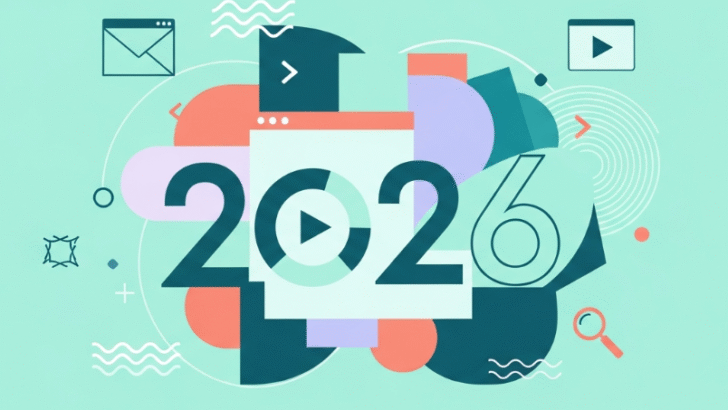
Soft yet futuristic, neo-mint shades paired with pastel tones dominate UI and branding in 2026. They convey optimism, creativity, and a tech-forward mindset.

Example: Use neo-mint backgrounds with pastel illustrations for websites, app interfaces, and social media visuals.

2. Vivid Saturation for Attention

Bold, saturated colors like neon coral, electric blue, and vibrant purple are making a comeback in digital advertising and social media posts. These colors are excellent for grabbing attention in crowded digital spaces.

Pro Tip: Pair vivid colors with neutral backgrounds to avoid visual fatigue.

3. Earth-Inspired Palettes

Muted greens, terracotta, ochre, and sand tones reflect the rising emphasis on sustainability and environmental consciousness. They are perfect for eco-brands, wellness products, and lifestyle websites.

4. Gradient Revival

Gradients are returning, but with subtle sophistication—think soft ombré transitions and dual-tone gradients instead of harsh rainbow blends. Gradients work well for UI buttons, hero images, and modern branding logos.


Typography Trends to Watch in 2026

1. Variable Fonts

Variable fonts allow multiple weights and styles in a single font file, offering flexibility without sacrificing performance. Designers can use a single font for headlines, body text, and accents, creating a cohesive yet dynamic look.

2. Organic and Handwritten Fonts

Humanized typography with imperfect, hand-drawn aesthetics reflects authenticity. These fonts are popular in branding, packaging, and social media, offering a personal touch that stands out in a digital-first world.

3. Maximalist Type

Large, bold, and expressive type is making a comeback. From oversized headers to experimental letterforms, this trend demands attention and conveys confidence.

4. Retro-Futuristic Styles

Fonts inspired by 80s and 90s digital culture (think pixel, neon, and techno-inspired fonts) are appearing in web design, gaming, and entertainment branding. This trend blends nostalgia with modern tech aesthetics.


Practical Tips for Implementing 2026 Trends

  1. Balance Bold Colors with Neutrals – Avoid overwhelming users by pairing vivid colors with muted tones.

  2. Prioritize Readability – While expressive fonts are trendy, readability remains essential for UX.

  3. Test Across Devices – Ensure your colors and fonts render consistently on mobile, tablet, and desktop screens.

  4. Use AI Tools Wisely – Tools like Adobe Firefly or Canva AI can help explore color palettes and font pairings, but human judgment ensures design relevance.


Conclusion: Staying Ahead in 2026

As we step into 2026, color and typography continue to shape how audiences perceive brands and products. Neo-mint hues, bold gradients, and expressive typefaces are redefining the visual landscape. By understanding these trends and applying them thoughtfully, designers can create modern, memorable, and impactful designs that resonate in a fast-changing digital world.


SEO & EEAT Notes:

  • Primary Keyword: Color and Typography Trends 2026

  • Secondary Keywords: Graphic Design Trends, Neo-Mint Color, Variable Fonts, Branding 2026

  • Authoritative Voice: Cites research, trends, and practical examples.

  • Internal Links Suggestions: Link to pages about UI design tips, branding guides, or AI in design.

  • External Links Suggestions: Reference Adobe, Pantone, or design trend publications.

The Power of Color in Graphic Design: How to Use Color Psychology to Boost Branding and Engagement

Introduction

Color is one of the most powerful tools a graphic designer can use. Beyond aesthetics, it conveys emotion, influences perception, and impacts decision-making. In branding and marketing, understanding color psychology is critical for creating visuals that engage audiences and reinforce brand identity.

This guide explores the role of color in graphic design, how to use it effectively, and practical tips for boosting branding and engagement through strategic color choices.


Why Color Matters in Graphic Design

Color is more than a visual element—it’s a language that communicates without words. Its importance lies in:

  • Emotional Impact: Colors evoke feelings like trust, excitement, or calmness.

  • Brand Recognition: Consistent color use increases brand recall.

  • User Behavior: Color can influence actions, from clicking a button to purchasing a product.

Designers who master color psychology create more compelling and memorable designs.


Understanding Color Psychology

Different colors carry different meanings and emotional associations. Here’s a brief overview:

  • Red: Energy, passion, urgency. Often used in sales or calls-to-action.

  • Blue: Trust, professionalism, calm. Common in corporate and tech brands.

  • Yellow: Optimism, warmth, attention-grabbing. Great for highlights and playful brands.

  • Green: Growth, health, stability. Used in eco-friendly, wellness, and finance brands.

  • Orange: Creativity, enthusiasm, friendliness. Works well for youth-oriented or dynamic brands.

  • Purple: Luxury, creativity, sophistication. Popular in beauty and high-end branding.

  • Black: Power, elegance, sophistication. Ideal for minimalist or premium brands.

  • White: Purity, simplicity, cleanliness. Used for contrast and minimalism.


How to Use Color Strategically in Graphic Design

1. Align Colors with Brand Personality

Your color palette should reflect your brand values and audience expectations. For example:

  • A financial service may favor blue for trust and reliability.

  • A children’s product may use bright, playful colors to engage young audiences.

2. Consider Cultural Context

Colors have different meanings across cultures. For instance:

  • White symbolizes purity in Western cultures but mourning in some Asian cultures.

  • Red is considered lucky in China but may indicate danger in Western contexts.

Always consider your audience’s cultural background to avoid misinterpretation.

3. Use Contrast for Readability

High contrast improves readability and accessibility:

  • Text should contrast with the background (e.g., dark text on a light background).

  • Buttons and calls-to-action should stand out using complementary colors.

4. Limit Your Palette

Too many colors can overwhelm viewers. A simple palette of 2–4 primary colors plus accent colors often works best.

5. Create a Visual Hierarchy

Use color to guide the viewer’s eye:

  • Highlight important elements with bold or bright colors.

  • Use muted tones for background or secondary content.

6. Test for Accessibility

Ensure your color choices are accessible:

  • Use color-blind-friendly palettes.

  • Test contrast ratios for readability.


Tools for Choosing the Right Colors

  • Adobe Color: Create harmonious palettes and explore trends.

  • Coolors: Generate color schemes quickly and easily.

  • Canva Color Palette Generator: Ideal for beginners and marketing visuals.

  • Color Safe: Helps create accessible color combinations.

Using these tools helps designers experiment and make informed decisions.


Case Studies: Brands Using Color Effectively

  1. Coca-Cola (Red): Evokes energy, excitement, and passion, making the brand instantly recognizable.

  2. Apple (White & Minimalism): Uses clean, neutral colors to emphasize simplicity, elegance, and innovation.

  3. Spotify (Green): Represents creativity and growth, appealing to a youthful and dynamic audience.

These examples show how strategic color use reinforces brand identity and audience engagement.


Trends in Color for 2025

  • Bold, vibrant gradients: Dynamic and eye-catching digital designs.

  • Soft pastels: Calm, approachable, and modern aesthetics.

  • Dark mode palettes: High contrast, sleek digital experiences.

  • Neo-memphis and retro color schemes: Playful, nostalgic, and attention-grabbing.


Conclusion

Color is a designer’s most powerful tool. By understanding color psychology, cultural context, and strategic use, designers can create visuals that capture attention, communicate emotions, and strengthen brand identity.

Whether you’re designing a logo, website, or social media campaign, the right color choices can boost engagement, influence decisions, and leave a lasting impression.